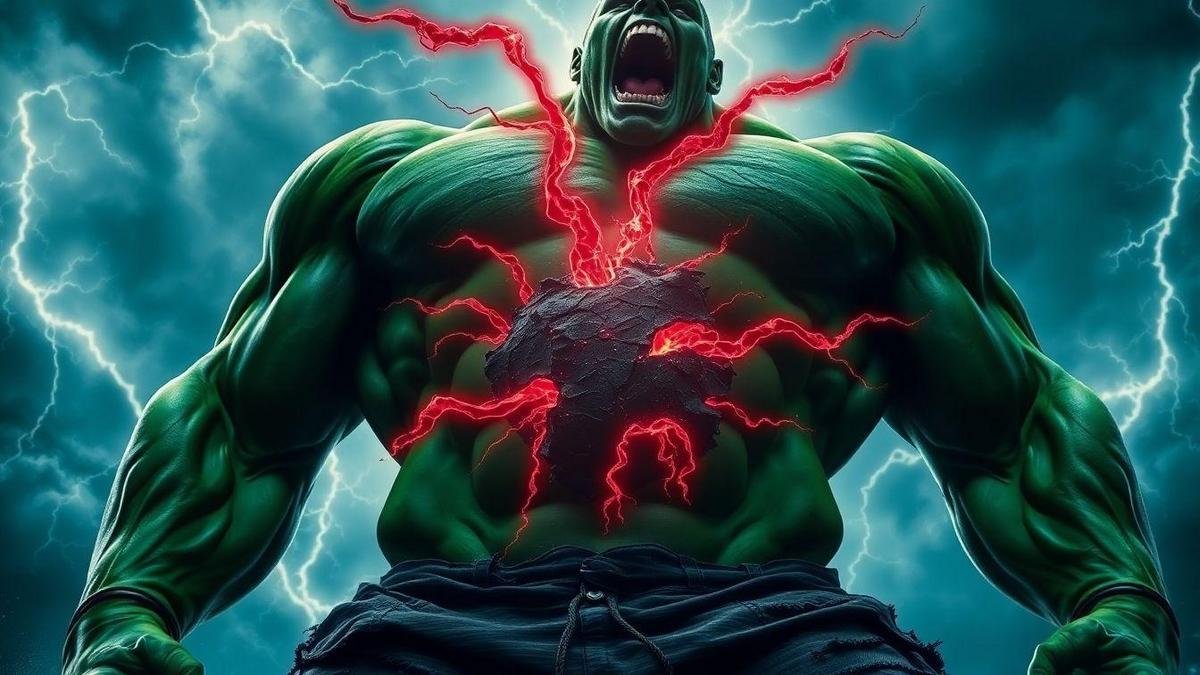
“Hulk’s New Rage Has A Dark New Source” is your guide to what this new arc means for Marvel and for Bruce Banner. You will learn how it links to the recent Hulk arc and what past stories you need to know.
The piece breaks down key themes, the trauma that fuels the rage, and the signs of psychological horror to watch for. It digs into the origin mystery, how the lore connects, and the clues the writers drop.
You will see how Savage Hulk has evolved, what the new look and behavior mean, and how the villain reveal raises the stakes. You get what creators and fans are saying, plus smart ways to follow the arc and avoid spoilers.
Key Takeaway
- You learn Hulk’s rage comes from a darker source
- You see his anger is more dangerous now
- You feel his control slipping more than before
- You know this new source threatens others too
- You expect heroes to need new plans to stop him
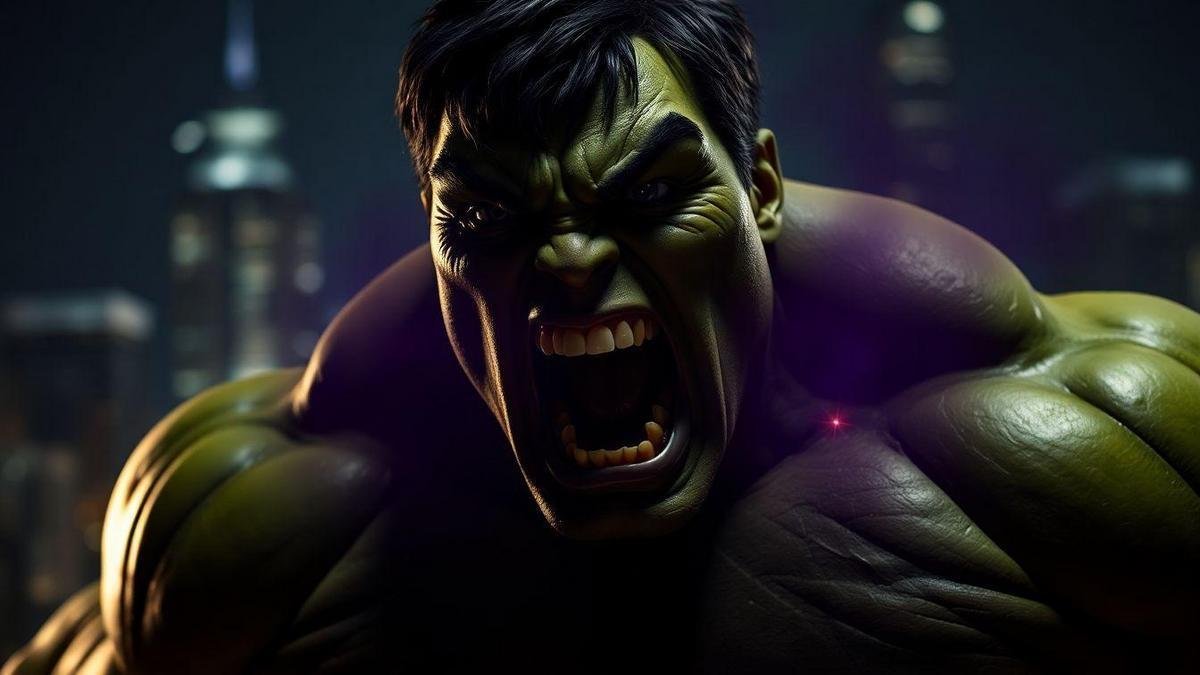
Where Hulk’s New Rage Has A Dark New Source Fits in Marvel Comics
This arc drops “Hulk’s New Rage Has A Dark New Source” into a spot where Marvel is testing the limits of what makes Bruce Banner tick. You get a Hulk who feels familiar in the fists and fury, but the cause of that fury is darker and more personal.
That shift makes the story feel weighty — like a street-level mystery wrapped in a smashing tentpole event.
See it as part of Marvel’s recent push to mix character drama with cosmic stakes, similar to how epic arcs have reframed Hulk stories before in ways that affect the entire universe (the impact of Planet Hulk on Marvel Comics).
The creative team leans into psychological tension, so the punches matter as much emotionally as physically. Scenes where Banner’s decisions sting more because they come from real hurt, not just gamma radiation, are frequent.
Tone-wise the book sits between a revenge thriller and a character study. The writing keeps the action fast but pauses to unpack motivation and consequence. If you like superhero comics with bite and brains, this run will stick with you after the last panel (see History and cultural impact of the Hulk).
| Element | Why it matters | What it connects to |
|---|---|---|
| Source of Rage | Re-frames Hulk as reacting to a personal corruption | Links to recent arcs about Banner’s mental state |
| Tone | Gritty, introspective, violent when needed | Appeals to readers of darker character arcs |
| Stakes | Personal fallout and wider Marvel implications | Could change how other heroes treat the Hulk |
“This isn’t just about smashing — it’s about why you want to smash.” — a line that captures the arc’s push toward motive over mayhem.
How this story links to recent Marvel Comics Hulk arc
The new source ties directly to threads Marvel planted over the last year, where Banner’s choices left him isolated. You can trace small hints — odd behavior, missing files, strained friendships — and this book pulls those strings until they snap. It feels like a sequel that answers questions you’ve been asking.
Creators reference earlier beats: fractured alliances, experiments gone wrong, and internal voices that nag Banner. That history matters because it makes the current rage feel earned — the result of a slow burn, not a sudden rewrite.
How to catch up:
- Read the last major Hulk mini to catch motivations.
- Skim recent team books for fallout scenes.
- Start this arc to see how threads converge.
What you should know from past Hulk stories
You don’t need every issue, but a few basics help. Know that Bruce Banner and the Hulk are not the same person — Banner thinks, Hulk feels — and the character’s long evolution has been tracked from labcoat to legend (see an overview of that shift in the Incredible Hulk: from scientist to smash).
Over the decades, writers have introduced multiple Hulks and inner voices; those splits matter because this new darkness preys on identity (read more about the different versions of the Hulk).
Also remember the recurring themes: experimentation, government interest, and trauma. Past villains and allies can reappear and change the stakes in a heartbeat. If you’ve read classic runs or modern takes, you’ll spot callbacks that deepen the emotional punches. (See the Library of Congress comic books research guide for archival context and further reading.)
- Banner and Hulk split personalities
- Gamma science and weaponization (how science and super-strength are portrayed)
- Allies who betray or try to help (including state actors and military figures—see an explainer on Thunderbolt Ross)
Key themes creators highlight about Hulk’s New Rage Has A Dark New Source
Creators push identity, responsibility, and moral damage as core themes. They want you to feel the cost of rage: who pays, who protects, and how a hero becomes dangerous to those he loves. The art and script work together to show that anger here is a symptom, not the whole illness.
How Bruce Banner Trauma Drives Hulk’s New Rage Has A Dark New Source
Bruce Banner’s trauma is the engine behind “Hulk’s New Rage Has A Dark New Source.” You can feel it in the panels: he’s not just angry—he’s haunted (Psychological trauma overview and effects).
The comic threads old wounds, unwanted memories, and a new trigger into Hulk’s outbursts. That change turns the smash scenes into something harder to look at — more like psychological horror than a punch line.
The creative team strips away the jokes and leans into psychological pressure. Quiet moments matter. A single flash of a childhood memory or a failed experiment becomes a match. Small hurts explode into huge violence, making the Hulk less predictable and more frightening—because the threat now grows from inside Bruce’s head.
That shift also changes how you read fight pages: you watch for triggers, for the slow build before the roar. Panels stretch; colors go sickly; sound effects feel like nausea. The book asks you to sit with the dread, to understand that this new rage is rooted in Bruce’s history — not only anger at people or governments.
Signs of Hulk psychological horror you can spot
The horror shows in the little things first. Look for repeating imagery: broken toys, lab notes, or faces in shadows. Artists replay those images to tie a present scream back to a past scar. When the art loops, your skin should crawl.
Pay attention to tone shifts. Calm conversation turns cold. Close-ups on Bruce’s eyes replace action scenes. Dialogue becomes spare and clipped. Pacing shifts: panels drag, then snap. Those beats build a sense that something awful is inevitable.
- Repeating symbols that hint at past abuse or failure
- Sudden, unexplained panic attacks in quiet scenes
- Visual distortions: smeared inks, heavy shadows, off-color palettes
- Internal monologue that blames or erases Bruce’s own feelings
- Supporting characters reacting with fear instead of sympathy
Why Bruce’s past matters to your reading
Bruce’s childhood and lab failures are the story’s seed. When you know those roots, Hulk’s violence reads as tragedy, not spectacle. You feel for both sides: the scientist who suffered and the beast who answers that wound.
That double view makes the comic more layered. You’re not just cheering a fight; you’re watching a man fall apart.
Knowing the past also changes your expectations. You won’t expect simple solutions like a cure or a big heroic moment. The book uses memory as a slow-burning antagonist, so scenes that used to be cathartic now sting. You read more carefully, trying to spot what memory will rise next.
“He doesn’t just smash. He remembers being broken—and he takes the world with him.”
Emotional beats the creative team uses to show trauma
The team uses tight close-ups, pauses in dialogue, and color shifts to hit emotional notes. A single silent panel can show Bruce’s guilt. A sudden splash of red can signal a trauma flash. These beats make the trauma visible and make you feel its weight.
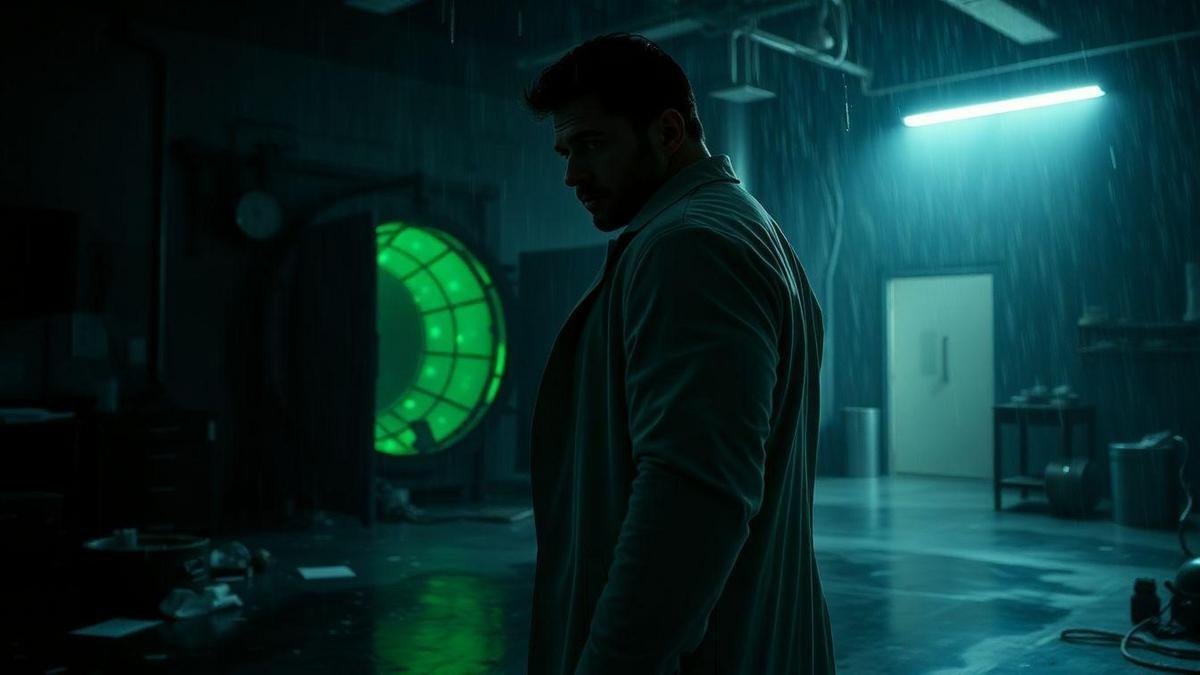
Exploring the Dark Source of Hulk and the Hulk origin mystery
The new comic makes a bold claim: “Hulk’s New Rage Has A Dark New Source.” You read the panels and feel the shift right away. The Hulk you thought you knew now has a shadow behind him. That shadow bends the origin mystery from a simple science accident into something older and meaner (see the British Library guide to comics history).
Callout: This twist ties Banner to a far stranger past than gamma alone. Pay attention to small details; they matter.
As you flip pages, scenes that once seemed random now look like breadcrumbs. The art and dialogue push you toward one idea: the Hulk may be fed by trauma and something that predates the lab. That makes Banner less a victim of chance and more a man grappling with a pulled thread in his life.
The story raises big questions fast. What is the dark source — a ritual, a buried secret, or a living force? Each issue peels one layer away. You want answers, and the comic gives you hints while keeping the tension high. You’re invited to piece things together, and that hunt is half the fun.
What dark source means for the Hulk origin mystery
When the comic says dark source, it isn’t just another lab note. It points to a hidden cause that mixes myth with science.
The book suggests your standard gamma explanation is incomplete. The new angle adds a weighty, almost supernatural feel to Banner’s condition—an echo of recent cosmic threats that reframe human stories into something older (parallels with cosmic darkness and aftermaths).
If the Hulk draws power from something older than radiation, Banner’s story becomes a collision of past sins and modern science. You see the Hulk less as an accident and more as a response to forces Banner never understood. That reframe makes every flashback and broken memory feel like evidence.
How the comic connects to long-running Hulk lore
This run respects old threads while bending them. You’ll spot echoes of classic arcs: secret experiments, government eyes, and the idea that the Hulk is more than strength. The comic nods to prior villains and to Banner’s fractured mind, giving fans a steady line to hold while the plot twists.
Connections you can track as you read:
- Gamma experiments seen through new documents and edits.
- Family or ancestral hints that add motive and history.
- Voices and visions that suggest an older power feeding the rage.
Clues the writers drop about the dark source
Writers plant small, sharp clues: a symbol carved into an old file, an offhand line about a ritual, a recurring dream, and stray pages of a lab log with red ink. These details pile up. Each clue points away from pure science and toward a mixed origin — one part history, one part horror.
Watch for narrative tricks that blur memory and perspective—techniques discussed in essays about unreliable narrators in comics—and for signs someone may have tampered with records or motives (ethical questions around manipulation in comics).
| Clue | What it implies |
|---|---|
| Carved symbol in a photo | Ties Banner to a secret history or cult |
| Red-ink lab notes | Someone altered records to hide a link |
| Recurring dream sequence | Memory, not pure delusion — past trauma resurfacing |
| Mention of an ancestor | A familial seed for the Hulk’s power |


Savage Hulk evolution and what Hulk new rage looks like now
The Savage Hulk you’re used to has shifted. He still smashes, but his anger now carries new weight — darker, quieter, and more purposeful. You’ll spot a mix of old fury and fresh menace: bursts of raw strength blended with moments that feel almost calculating.
This change gives scenes more sting; fights don’t just roar, they land with the feeling that something grim is driving him (Overview of Hulk versions and personalities).
You can feel the new angle in the scripts and captions. Writers hint that “Hulk’s New Rage Has A Dark New Source,” a line that reshapes how you read his outbursts.
That source isn’t always spelled out, but it shows up in how the Hulk reacts to people, places, and past pain. The result: every smash now echoes with backstory and purpose.
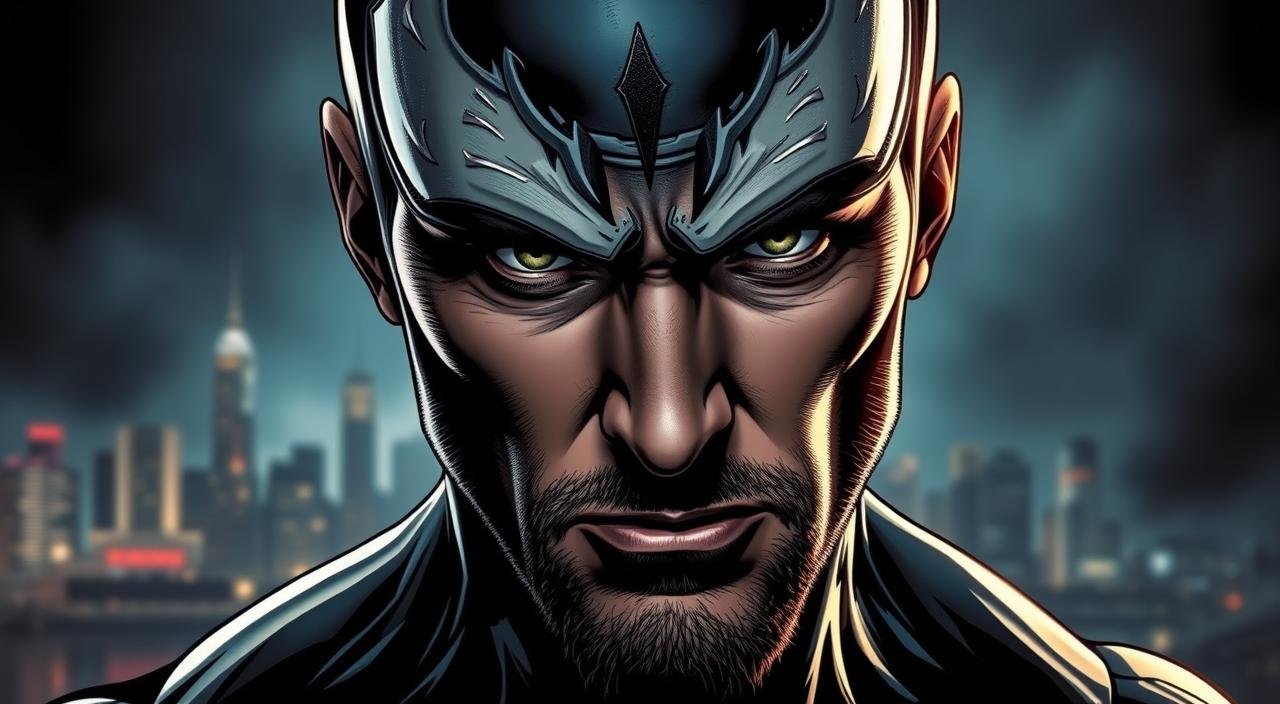
Visually, stories give him more contrast — darker greens, deeper shadows, faces that flicker between grief and fury. Emotion is sharper. The Savage Hulk feels less like a one-note brute and more like a force with a story to prove. The change makes you care a bit more, even as you flinch at what he does.
“You can feel the shift — anger with a reason, not just anger for the sake of it.”
Visual and behavioral changes you will notice
Artists give the Hulk thinner, more angular features at times, then blow him into heavier, terrifying frames in the next panel. Darker palettes, heavier inks, and faces that show pain as much as rage. Behaviorally, he’s less predictable: sometimes silent and brooding, sometimes sudden and violent.
Key changes you’ll see:
- Darker colors and heavier shading
- Sharper facial details showing pain or intention
- Slower build-ups to rage, then faster, smarter attacks
- Moments of restraint followed by brutal releases
How this evolution affects Hulk’s role in the Marvel Comics Hulk arc
This version pushes the Hulk from headline villain/antihero into a pulse-point of the story. He drives plots more often. His choices now matter to other characters; he shapes alliances, pushes conflicts, and forces moral questions. The arc around him grows darker because his actions have deeper consequences.
Look for these narrative shifts:
- He becomes a catalyst for others’ choices.
- He draws out secrets and guilt from allies and foes.
- He forces stories to tackle trauma and accountability.
Those steps mean the Hulk is no longer merely a force to be stopped — he’s a mirror showing what the rest of the cast will do when pressed. Writers use him to test heroes and drag hidden sins into the light.
For contrast with classic brute fights, consider how earlier showdowns—like Hulk’s clashes with familiar foes—were more straightforward brawls (Hulk vs Abomination), and note how this run deliberately reframes confrontation as psychological as well as physical.
Artist styles used to sell the Savage Hulk evolution
Artists lean into contrast and texture to sell the change: thick inks, rough brush strokes, and cinematic panels that zoom in on eyes, teeth, and clenched fists. Colorists favor muted greens and heavy shadows, with sudden splashes of red to mark violence or pain.
Together, those choices make the Savage Hulk feel both epic and intimate — a monster you can see every scar on.
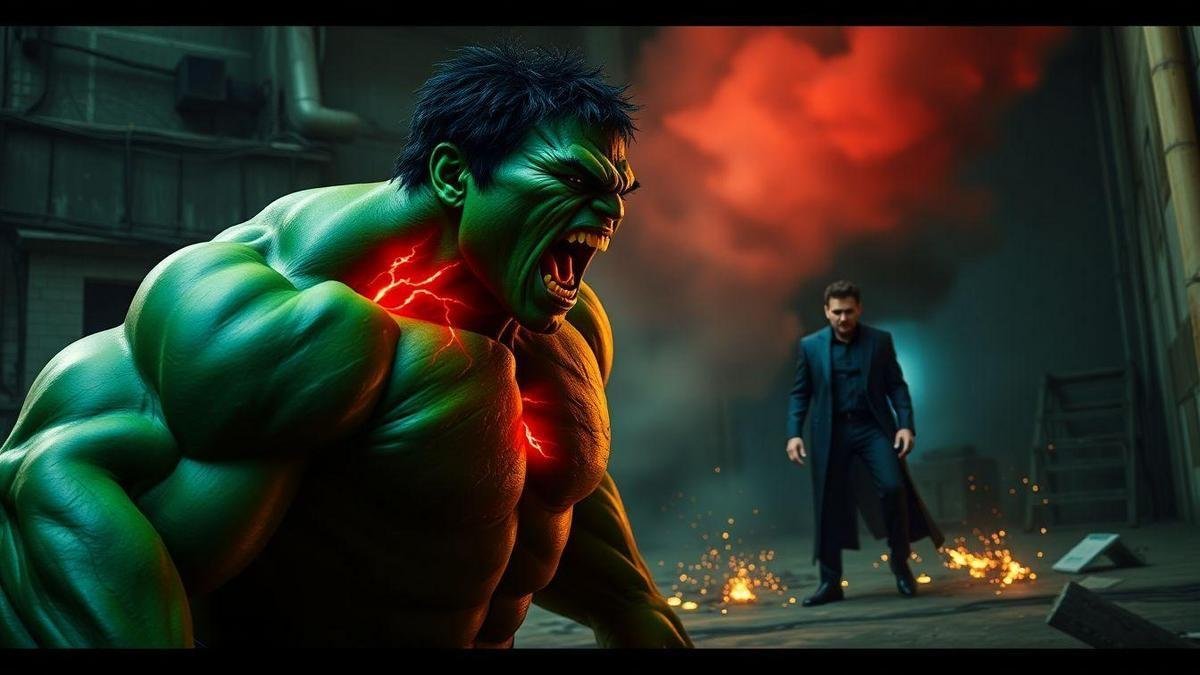
The Hulk villain reveal and how it ties to Hulk’s New Rage Has A Dark New Source
The reveal lands like a gut punch. You expect a brute or a mad scientist. Instead, the villain is someone close, and that makes the anger personal. With “Hulk’s New Rage Has A Dark New Source,” the book flips the script: the fury isn’t just about power. It’s fed by betrayal, history, and a secret that bites.
This change pushes your view of Hulk from simple smash to haunted hero. You see flashes of a calmer Bruce losing ground to something darker. The villain’s motives pull at his past and at people you care about. That makes every fight more than muscles — it becomes a battle over memory and trust.
Story beats tighten. Scenes that once felt routine now sting. You notice small hints you missed before. The reveal rewrites how every clash reads. When the smash hits, you feel the weight behind it.
Who the villain is in context of a Hulk villain reveal
The villain isn’t just a new face. They are an echo of Bruce’s life: a former ally, a scientist who crossed a line, or a betrayed friend. That closeness makes their actions cut deeper. They know Bruce’s strengths and soft spots and use history like a scalpel.
You watch Hulk respond like someone forced to relive an old wound, not just fend off a foe. For context on how familiar antagonists shape Hulk stories, see pieces that explain recurring foes like the Abomination and other gamma-powered threats.
The stakes this villain raises for your favorite characters
This is personal for your supporting cast. People you root for get caught in moral crossfire. Allies who once supported Bruce now face impossible choices. Those worries make scenes tense and real.
The villain raises stakes beyond city damage: lives, reputations, and the fragile peace around Hulk are at risk. You find yourself cheering and cringing at the same time. The story becomes a tightrope walk between saving people and saving Bruce.
How the reveal reshapes threats in the story
With the villain revealed, threats shift from physical to emotional and strategic. You stop expecting simple brawls. Instead, threats come as secrets, manipulation, and traps aimed at feelings and memories. That change makes the danger feel bigger and closer.
What Hulk creative team interview and fans say about Hulk’s New Rage Has A Dark New Source
The creative team is blunt: this arc changes Bruce. In interviews, writers and artists describe a twist that ties Hulk’s rage to a darker, more personal trigger than usual. You’ll see hints in tone, color, and pacing—scenes that feel quieter before they snap.
Fans on message boards and social feeds are buzzing because the change feels risky and real, like a superhero story that’s also a character study. The debate around this shift also reflects larger conversations about the medium’s role in culture (how comics reflect cultural shifts).
Read the interviews and you’ll notice the team keeps stressing consequence. They say this isn’t a temporary shock — this new source reshapes relationships and choices. That means the fallout shows up in the art and dialogue, and you can feel the weight when you flip pages. Follow creators on social for sketches and teasers that hint without giving everything away.
Reactions are split but loud. Some fans love the emotional depth; others fear it will strip away the classic smash-then-heal pulse of Hulk stories.
Either way, the conversation matters: it shapes sales, variant covers, and future issues. If you care where Bruce ends up, watching both interviews and fan takes gives you a fuller picture of how this new direction plays out.
Key quotes from the creative team you should remember
The team dropped a few lines that matter. The writer called the new trigger “rooted and human,” not cosmic. The artist said the palette shifts to reflect internal change—greens get muddier, shadows get larger. Those comments signal this is about mood as much as monster moments.
| Creator | Role | Notable Line |
|---|---|---|
| Writer | Script | “Rooted and human.” |
| Artist | Pencils/Colors | “The palette shifts—greens get muddier.” |
| Editor | Oversight | “This changes stakes for the next year.” |
“We’re tracking how a personal wound turns into something huge—literally.” — Writer
These lines are useful signposts as the arc unfolds. If a scene feels small but heavy, it might be the seed of the new source.
How to avoid Hulk storyline spoilers while staying informed
⚠️ If you want to dodge spoilers, skip comment sections and spoiler-heavy social platforms. Even well-meaning posts can spoil a reveal with a single sentence. Protect your feed with filters and mute lists so you control what reaches you.
You can still stay updated without full details:
- Mute keywords like “Hulk reveal,” “new source,” or specific issue numbers on Twitter/X and Reddit.
- Turn off spoiler-heavy channels (certain subreddits, comment threads, and broad fandom groups) until you’ve read.
- Rely on official pages for summaries and release info—they often keep plot reveals minimal.
- Follow official creator newsletters for spoiler-free notes.
Best ways to read the arc and follow updates
Buy single issues if you want week-by-week adrenaline; pick trades if you prefer a clean, complete experience. Use your local shop for shelf copies and community buzz, or digital platforms for instant access and easy back-issue searching.
Follow the creative team for sketches and process posts, but mute spoilery threads until you’re caught up. Variant covers and retailer incentives are extras — they rarely spoil the main story.
How Hulk’s New Rage Has A Dark New Source Could Impact Marvel’s Future
This arc doesn’t just change Banner: it can reshape how Marvel treats trauma and consequences across titles. If “Hulk’s New Rage Has A Dark New Source” becomes a long-term direction, expect more stories where emotion and history drive stakes, not just spectacle.
Other heroes may be pulled into moral reckonings, and crossovers could focus on accountability and memory as threats. That could shift marketing, tone, and the kinds of creators Marvel hires for future runs—part of a broader trend in the medium (the evolving journey of sci-fi and fantasy comics).
Conclusion: Hulk’s New Rage Has A Dark New Source
You’ve just walked through a story that flips the script on the Hulk. This arc makes the rage feel less like a knee-jerk smash and more like a wound — one fed by trauma, memory, and a mysterious dark source. It’s heavier. It’s quieter. And it hits where it hurts.
As you read, pay attention to the breadcrumbs: the repeating images, the muddy greens, the off-color palettes, the small lines that point to a villain painfully close to Bruce Banner.
The book isn’t content to simply entertain. It asks you to sit with the dread, to feel the consequences, and to read every panel like it might be a piece of a larger puzzle.
What matters most is the shift in stakes. This isn’t a temporary tone tweak. It reshapes how other heroes interact with the Hulk and forces hard choices about responsibility and redemption. If you like superhero stories that bite and make you think, this one will stick in your teeth.
If you want more breakdowns, clues, and takes like this, head over and read more at https://heroandvillainworld.com.
Frequently Asked Questions
It shows Hulk’s anger comes from a dark new force; you see a more dangerous side.
It raises the stakes. Your heroes face bigger threats and the story feels darker and more real.
Often yes. It links to a bad power or person. You will spot hints in scenes.
He gets stronger but less stable. You worry for his friends and the city. Scenes get tense.
Maybe. Allies and science might help, but it will take time and hard choices.