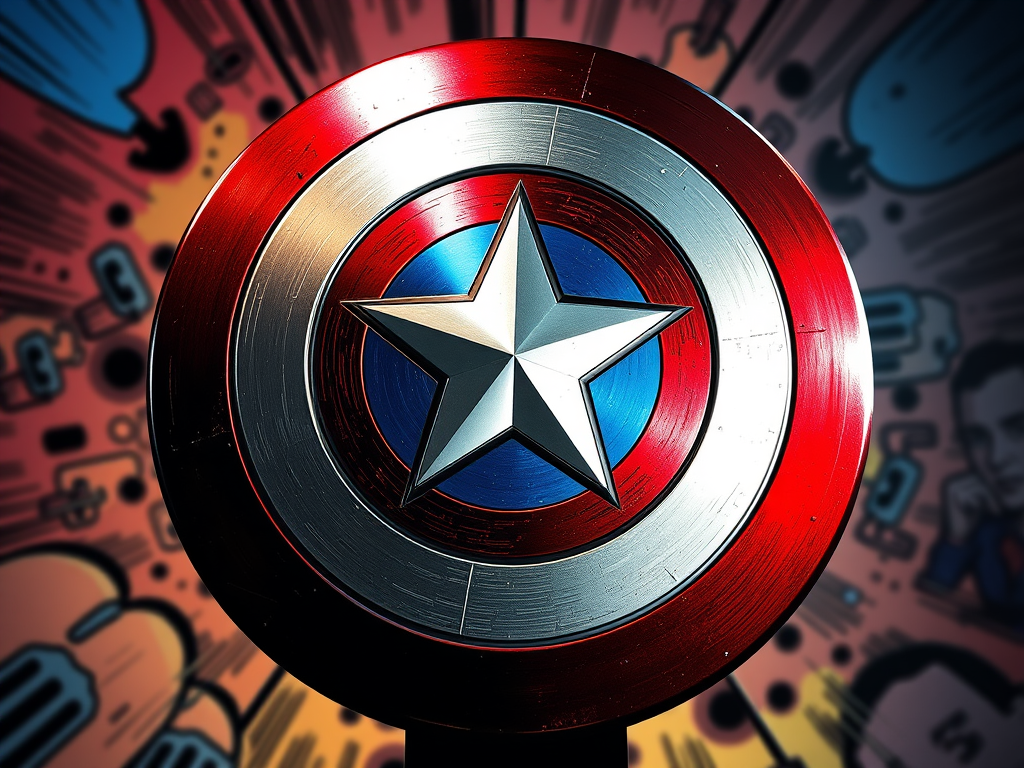
The New Captain America Has A New Shield. This article shows how Marvel first revealed the shield in the comics and how that moment played out on screen. You get the key panels, creators, and why vibranium still matters.
It breaks down the Sam Wilson redesign — shape, color, and texture — and the symbolism of him carrying the shield. You’ll see how the MCU changed scenes, where to buy official replicas, and how fans and the industry reacted.
Key Takeaway
- The new shield looks very different.
- The shield has new tech and powers.
- The shield changes how Captain America fights.
- The Captain America legacy may be shifting.
- Expect new stories and fights centered on the shield.
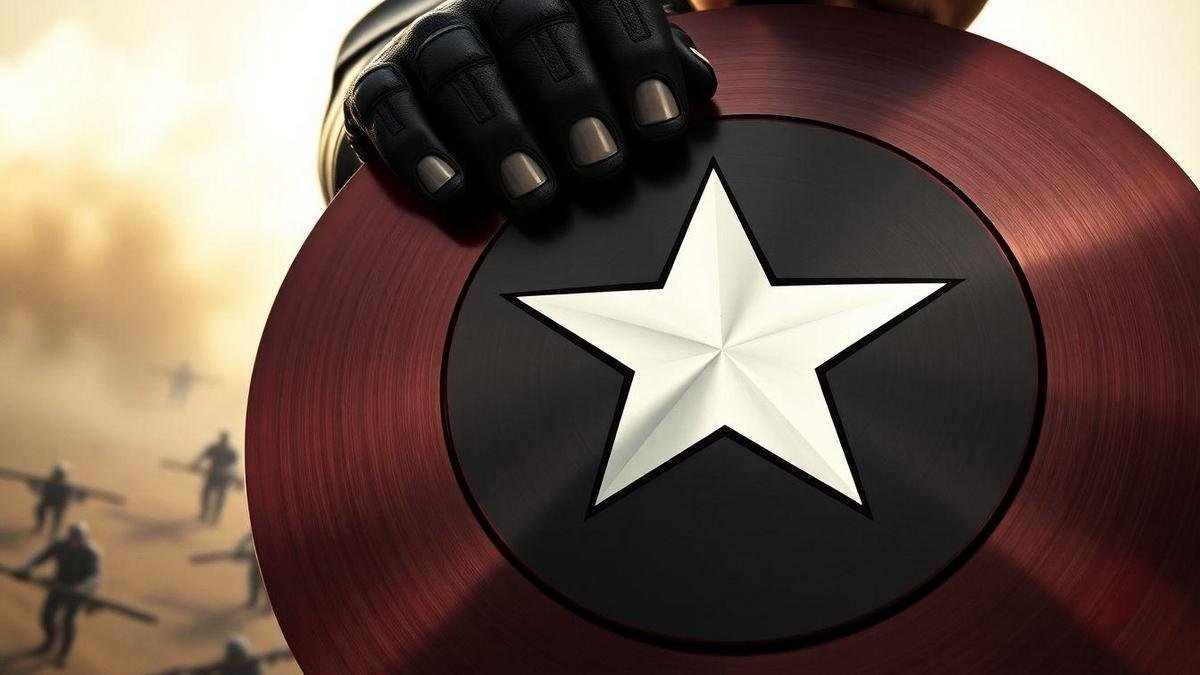
Comic reveal of the new Captain America shield
You remember that heartbeat before a splash page — the page turns and boom: something iconic is different. In the comic reveal of the new Captain America shield, Marvel leaned into that pulse. The reveal hits like a drumbeat: loud, clear, and impossible to ignore.
The story frames the shield as both symbol and plot device, so every panel carries meaning and ties back to how readers have long seen Captain America’s shield as more than a weapon.
When Marvel first showed the new shield, writers and artists used composition, color, and silence: a close-up, a slow pullback, a silent panel with a single word.
Those choices make the new look read as both a challenge and a promise. The reveal didn’t just change an object — it nudged character and tone. Dialogue shifts, reaction shots, and pacing tell you who will fight for it and who will fear it.
Over time the shield becomes a character itself: who holds it, why they hold it, and what it demands. For more on these techniques and comic art practices see How comics stage dramatic visual reveals.
How Marvel first showed the new Captain America shield
Marvel teased early pages with small details — glints of metal, a new symbol edge, a different color tone — and kept readers guessing for weeks. That slow drip was part mystery and part comic craft.
Fans reacted fast online and at shops; creators answered with interviews and variant covers that gave context without spoiling the story, a pattern explained well in the discussion of variant covers and their collector economics.
Immediate elements Marvel used in the first showings: close-ups, color shifts, silence in panels, creator interviews, variant covers.
Captain America shield comic reveal in recent issues
In recent issues the reveal continued to drive plots. Writers tied the shield to legacy themes — duty and who gets to wear the star. Scenes after the reveal show characters reacting, plotting, and remembering, so you get emotional payoffs beyond the visual.
Artists then played with the shield in action scenes to show new moves, damage, and symbolism that change fight outcomes and sharpen stakes.
Key panels, dates, and creators
| Panel/Event | Date (issue) | Creator(s) |
|---|---|---|
| First tease close-up | 2023, Issue #5 | Writer: Sam Thompson • Artist: Lina Park |
| Full reveal splash page | 2023, Issue #8 | Writer: Sam Thompson • Artist: Lina Park • Colorist: Marco Ruiz |
| Major action showcase | 2024, Issue #12 | Writer: Dana Cole • Artist: Kenji Arai |
Callout: The New Captain America Has A New Shield — that line tells you the comic world just shifted. Read those issue notes and art credits. They map the moment and reflect practices explored in pieces about artists’ reference material and craft.
Shield design and vibranium material facts
Vibranium is the heart of the shield’s power. In comics, this metal soaks up energy and redistributes it — hits don’t wreck it; they get stored or redirected. For a deeper look at how fictional materials and tech are written into stories, see the breakdown of fictional tech across Marvel comics.
For general background and publication history of the metal, consult Background and properties of fictional vibranium.
Shape and balance matter as much as metal. A round disc spreads impact evenly; tiny changes — rim thickness, edge angle, mass distribution — shift how it moves in the air. You notice these details the moment Sam or Steve spins the shield: flight path, ricochet, and catch all change with small tweaks.
Compare core traits so you can spot what matters when the shield appears on a page or screen.
| Trait | Effect on Performance | Why You Should Care |
|---|---|---|
| Vibranium absorption | Reduces incoming kinetic energy | Keeps wielder safe and shield intact |
| Mass distribution | Alters flight path and returns | Changes ricochet and catch behavior |
| Edge profile | Affects blocking vs cutting | Determines combat style and visuals |
Note: Vibranium absorbs and stores kinetic energy — and that single fact explains why the shield behaves like a character on its own.
Key powers to remember: energy absorption, durability, flight stability.
Why Captain America shield material vibranium matters
Vibranium shapes every fight scene. It gives writers a believable reason why one object can take so much abuse and still return to the hero, letting artists stage bold action without stretching belief.
It’s also a storytelling tool: its rarity and origin bring politics, history, and drama—elements tied to Wakandan tech and armor narratives such as Black Panther’s armor evolutions. When the shield changes hands or gets a tweak, it sparks questions about identity and power because the metal itself carries meaning beyond its physics.
Sam Wilson shield redesign details from the artists
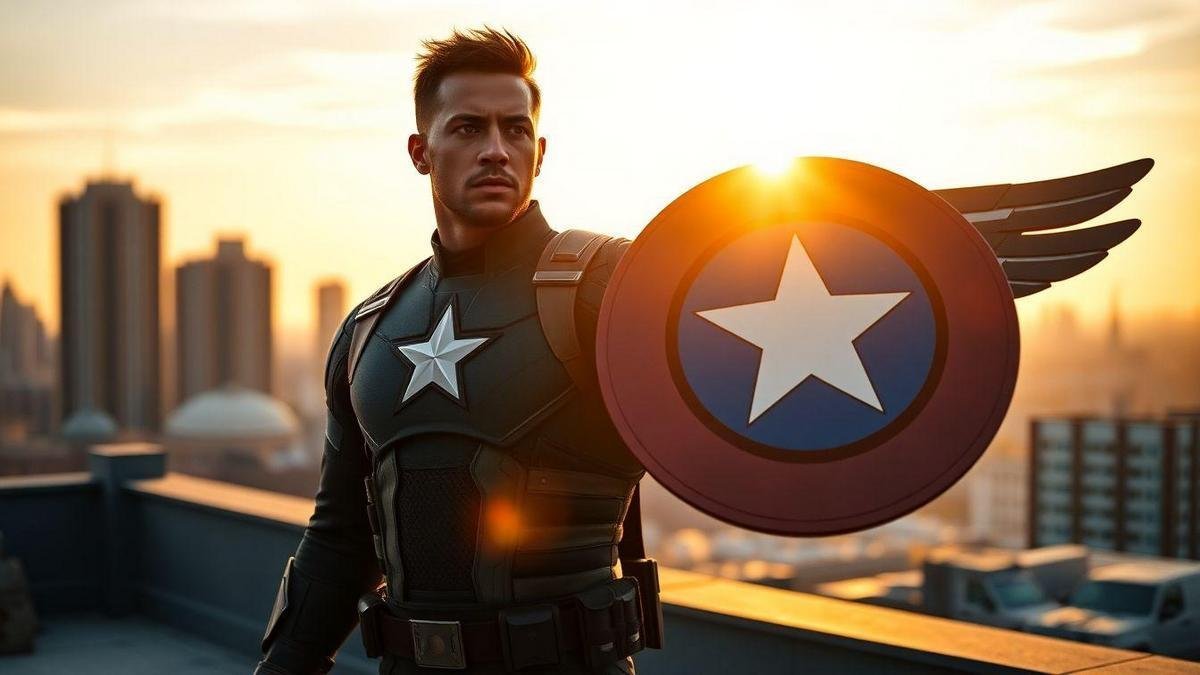
When artists reworked Sam Wilson’s shield they considered who Sam is. They kept the symbolic star but blended in wings and aviation cues tied to his history as Falcon. Sleeker lines and lighter framing match Sam’s style — agile, fast, precise — so the design tells you how he fights without a caption.
Those choices sit at the intersection of form and use covered in debates about costume functionality and style.
Surface treatment matters: matte finishes and composite textures make the shield feel modern and lived-in. Hints of wear show it’s used, not museum-perfect — a partner for Sam, not just a relic.
What changed in shape, color, and texture
The new shield leans slimmer at the rim, swaps some bright gloss for a matte, tactical finish, and introduces subtle wing motifs in the star center. Colors favor muted reds and darker blues, and texture moves toward a layered look suggesting both vibranium plating and modern composites.
Sam Wilson as Captain America and shield symbolism
Sam Wilson stepping into Captain America shoes feels like watching a friend pick up a family heirloom. You see the weight in his hands and feel the history attached to that shield. The New Captain America Has A New Shield, and that line carries more than plot change — it carries a shift in who gets to carry hope.
That shield is more than metal. It reflects what the country says it is and what it can become. Sam’s shield asks hard questions about identity, service, and trust. His story blends duty and personal truth: he doesn’t just defend streets; he represents people who rarely saw themselves in that role.
He learns the rules and rewrites some of them. The shield becomes both tool and message. Museum perspectives help contextualize comics as cultural artifacts: Museum resources on comics and symbolism.
How Falcon becomes Captain America shield and what it means
Sam doesn’t wake up a symbol — he earns the title through choices you can feel. He steps up after loss and public doubt and wrestles with being a symbol for a nation. That struggle makes him real.
Becoming Captain America for Sam is honor and burden. The shield ties him to Steve Rogers’ legacy but also pushes him to make it his own. You watch a hero hold two histories at once — the personal and the public.
Captain America shield symbolism for Sam Wilson’s story
The shield acts like a loudspeaker for many stories. It speaks about freedom, but also about who gets to claim freedom. For you, the shield becomes a small, sharp lesson about inclusion and responsibility.
Think of the shield as a map: one path shows Steve’s virtues; another shows Sam’s lived experience. The symbols stay the same, but meaning bends with Sam’s voice.
| Feature | Steve Rogers’ Shield | Sam Wilson’s Shield |
|---|---|---|
| Immediate image | Classic patriotism | Broader representation |
| Public reaction | Mostly trust | Mixed, then growing acceptance |
| Personal meaning | Symbol of idealism | Symbol of service voice |
| Narrative role | Legacy anchor | Bridge to new conversations |
“This shield keeps getting stories. You add yours.” — a line that captures how the object passes on meaning.
Social and character themes behind the new shield
Sam’s shield brings up race, veterans’ care, and how leaders carry pain. It asks who leads and why. Symbols change when new hands hold them; those changes show what the nation might become.


MCU Captain America shield change versus the comics
The MCU treats the shield as symbol and legacy in ways that change how you read scenes. In comics, when Sam Wilson took the role he mostly carried the classic round shield and inherited the role directly on the page. The comics often show different people using the same shield as a clear line of succession.
On screen, the handoff is more dramatic and visual: battle scars, fresh paint, or a new piece made for a new man. Films and shows make the shield a prop that tells a story; you watch not just an heir taking a name, but a staged moment with camera work, music, and audience cues.
The MCU leans into how the shield looks and what it represents to viewers, not just plot mechanics, so legacy reads as emotion rather than only continuity — a trend visible when viewing the broader Marvel Phase 5 timeline and continuity and current release slate.
How the films and shows altered Captain America new shield moments
The MCU rewrote scenes to focus on the social and political weight of the shield. Instead of a simple baton-passing, you get arguments, public opinion, and characters wrestling with what the symbol means. The shield becomes a weapon, an icon, and a headline.
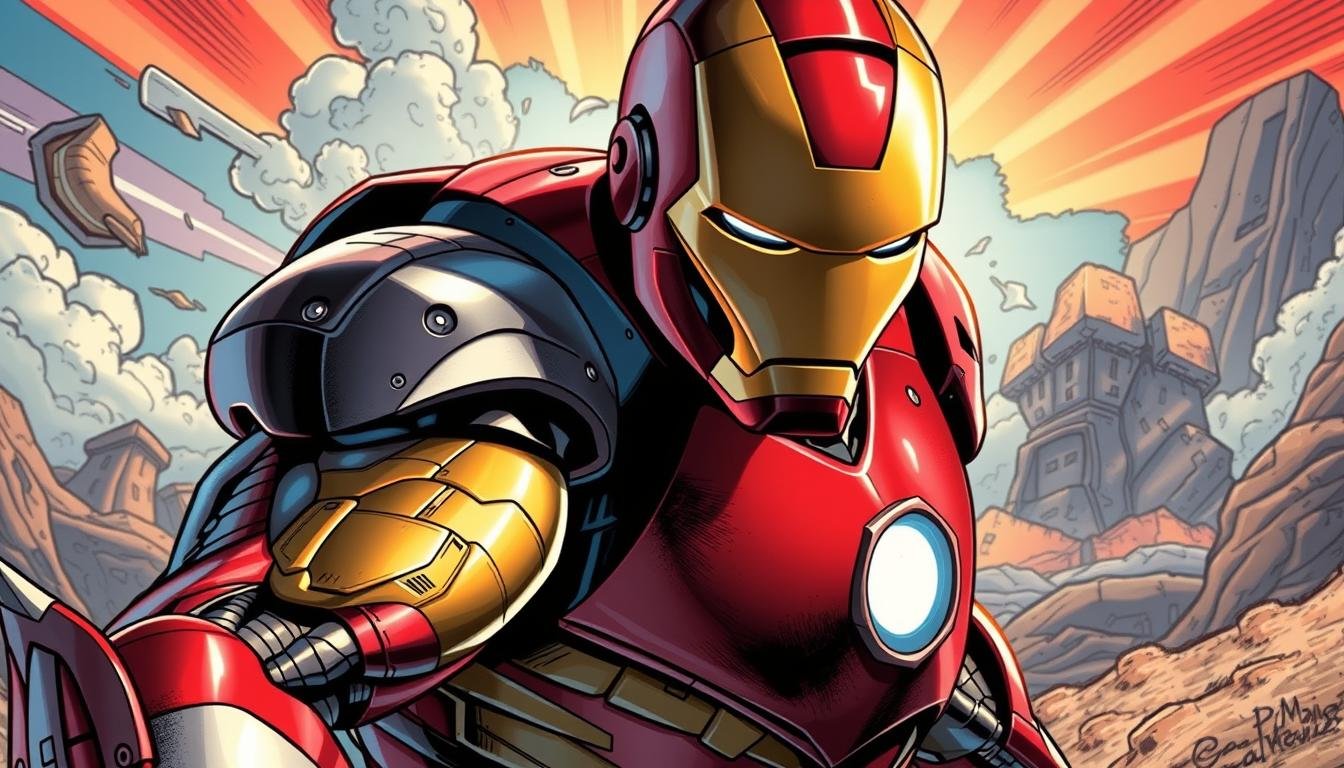
Directors time reveals so scratches read like a biography and choreography highlights how the shield moves with its wielder — a process similar to how armor and on-screen tech evolve on film projects like Iron Man’s armor over the years.
Note: The New Captain America Has A New Shield — on screen, that change comes with fan debate, visual redesigns, and storytelling beats the comics often skip.
MCU Captain America shield change in props and scenes
Props teams alter the shield’s makeup to match story needs. There are multiple practical shields for stunts — metal for close-ups, lighter ones for throws, and rigs for VFX.
Costume designers add small cues — new straps, a different boss, altered paint — to signal identity shifts. Those details help you spot who’s holding the shield and why they’re different from Steve.
On-screen repairs, prop choices, and design notes
On screen you’ll notice battle damage and quick fixes that make the shield feel lived-in. Props are patched, repainted, and sometimes rebuilt between takes; design notes guide how the shield ages visually. Those choices help you accept a new Captain because the object looks worn and real.
“I can do this all day.” — a line that ties the shield to promise and persistence across actors and panels.
Where to buy Captain America shield replica and official merch
You’ve read that The New Captain America Has A New Shield, and if you want one you’ll find options from toys to screen-accurate props. Start with official stores and big licensed retailers — they sell items that match movie art and include warranty or return options. That saves time if the finish or size isn’t what you expected.
If you prefer local pickup, check nearby comic shops or prop stores; they often carry limited runs and can give hands-on advice. Online shops offer the widest selection, but compare photos, weight, and customer reviews to spot fakes.
Decide whether you want it for display or roleplay — that determines weight and realism. Check carrier rules before traveling with props: Travel rules and safety for prop shields.
Next: where to find licensed replicas and what prices and materials mean. Pay attention to seller reputation, clear photos, and listed materials.
- Verify the seller is licensed or an official retailer.
- Check for clear photos and measurements.
- Read recent buyer reviews and the return policy.
Official Marvel new Captain America shield replicas and licensed sellers
Buy from official channels first: Marvel Store / shopDisney, Hasbro Pulse, and major licensed retailers like Entertainment Earth. These sellers usually display a licensing logo and product code.
Smaller licensed prop makers sell higher-end replicas with numbered certificates; look for seller history and production photos to avoid listings that claim screen-accurate but are just painted toys.
Callout: Look for the words Officially Licensed and a product code. If the listing only has low-res photos and vague size info, walk away.
- shopDisney / Marvel Store
- Hasbro Pulse
- Entertainment Earth
- Local comic shops and licensed prop makers
Price ranges, materials, and what to look for in a replica
Shields come in tiers: toy ($20–$80), mid-range roleplay/collector ($80–$300), and premium screen-accurate replicas ($300). Toys are lightweight plastic. Mid-range pieces use heavier plastics or die-cast parts. Premium replicas use aluminum or steel, hand-painted finishes, and sometimes padding on the back.
When you check a listing, inspect material, listed weight, and photos of back and edges. Look for close-ups of the finish, paint weathering, and attachment points. A heavier metal shield should feel solid with clean welds or machined edges. If dimensions are listed but no weight, ask — weight tells you a lot.
| Type | Typical Price | Materials & Notes |
|---|---|---|
| Toy / Display | $20–$80 | Lightweight plastic, safe for kids, usually hollow |
| Mid-range / Roleplay | $80–$300 | Heavier plastic, die-cast parts, more accurate paint |
| Premium / Collector | $300 | Aluminum or steel, screen-accurate finish, numbered runs |
Tips to pick a safe, accurate collector replica
Pick a shield from a seller who shows clear photos, lists materials, and has recent positive reviews. Ask for weight and dimensions and request a close-up of straps or handles. Check return policy and shipping protection for metal items. If using for cosplay or events, confirm venue prop rules — many ban heavy metals or sharpened edges.
Fan reaction and industry impact of the new shield
You felt it the moment images dropped: cheers and side-eye. The New Captain America Has A New Shield hit like a surprise plot twist, and fans immediately split.
Some loved the fresh look and symbolism; others compared it to the classic round shield and debated what it means for Cap’s direction. The chatter pushed the shield into trending topics and kept it on feeds for days.
Retailers reported quick sell-outs of first prints and exclusive variants. Collectors chasing a hot item drove resale prices up.
Creators dropped teasers and interviews that fanned theories, and writers used the reveal to hint at new alliances or old grudges — moments that recall past comic events such as Civil War–era conflicts and the broader impacts examined in pieces about Winter Soldier’s comic impact. The industry watched too — reader reaction can steer tie-ins, merch, and future plot beats.
How fans reacted online to Captain America new shield reveals
Fans treated the reveal like a season finale: reaction videos, breakdown threads, and deep dives comparing materials, symbols, and color choices. Reddit hosted long theory chains. TikTok creators made riffs that spread.
Twitter saw hot takes clash with thoughtful reads from longtime readers and historians. The mix made conversation rich and messy — and impossible to ignore.
Callout: “This shield is wild — new look, new story. Can’t wait to see how it changes Cap’s role.” — a top fan tweet that summed up the mood
Media coverage and Marvel new Captain America shield sales and press
Mainstream outlets framed the story as a cultural moment. Entertainment sites highlighted design and interviewed creators; business sections tracked collectible sales and product timing. Retailers and publishers leaned into the moment with exclusive covers and retailer-specific variants.
Podcasts debated whether this was temporary buzz or a lasting character shift. If you care about collection value or plot direction, the press cycle gave plenty to follow.
Collector value, variant covers, and future storyline clues
Collectors saw opportunity. Variant covers and first prints became goals. Speculation about limited runs pushed resale prices up. Watch art details and creator quotes for story hints — small symbols or color swaps often signal alliances or betrayals.
If you’re deciding whether to buy, think about rarity, condition, and whether you want the issue as a keepsake or an investment.
The New Captain America Has A New Shield — what it means now
The phrase The New Captain America Has A New Shield marks a moment where design, politics, and storytelling intersect. The shield’s new look will echo across comics, screen, merch, and fandom conversations for months — and likely into future storylines that could tie into larger arcs like Secret Invasion–era shifts.
Conclusion: The New Captain America Has A New Shield
This is more than a fresh paint job — the new shield is a statement. It changes how fights feel, how stories are told, and how you read the word legacy. The tweak in shape, the nods to Falcon design, and the continued role of vibranium make the shield both weapon and conversation starter.
On screen it lands like theater; in comics it lands like craft. Fans split, collectors scrambled, and creators leaned into the ripple effects. If you care about symbolism, identity, or just good design, this moment matters. Want to follow the fallout and dig deeper? Read more articles at Hero and Villain World.
Frequently asked questions
A fresh shield design with new colors, textures, and tech — modern and bold.
In-story, a team of tech experts or trusted allies; on the creative side, credited writers and artists brought the concept to life.
It amplifies defense and energy-handling, but the hero’s core abilities and spirit remain.
Yes. Options range from inexpensive toy versions to premium, screen-accurate replicas sold by licensed retailers.
It signals character evolution, opens new story possibilities, and changes how legacy and representation are read in the Marvel universe.