
“Thor’s Epic New Weapon Is Made From A God” kicks off a clear guide you can follow. You will learn about Asgardian forges and Uru metal. You will meet Nidavellir and the dwarven smiths who shape divine arms. Comics teach the rules of divine metallurgy.
Mjolnir and Stormbreaker show how those rules work. You will see how enchantments and Odin-era laws change a weapon. You will get comic-verified notes and clear points about a weapon made from a god.
You will spot visual cues like metal texture, glow, and iconography. You will learn where fans and editors discuss new gear and how Marvel handles continuity and updates.
Key Takeaway
- The weapon contains a god’s essence
- It can harm other gods
- Thor’s strength and role can shift with it
- It carries sacred weight and consequence
- It changes Thor’s purpose and choices
What you should know about Asgardian forges and Thor weapon materials
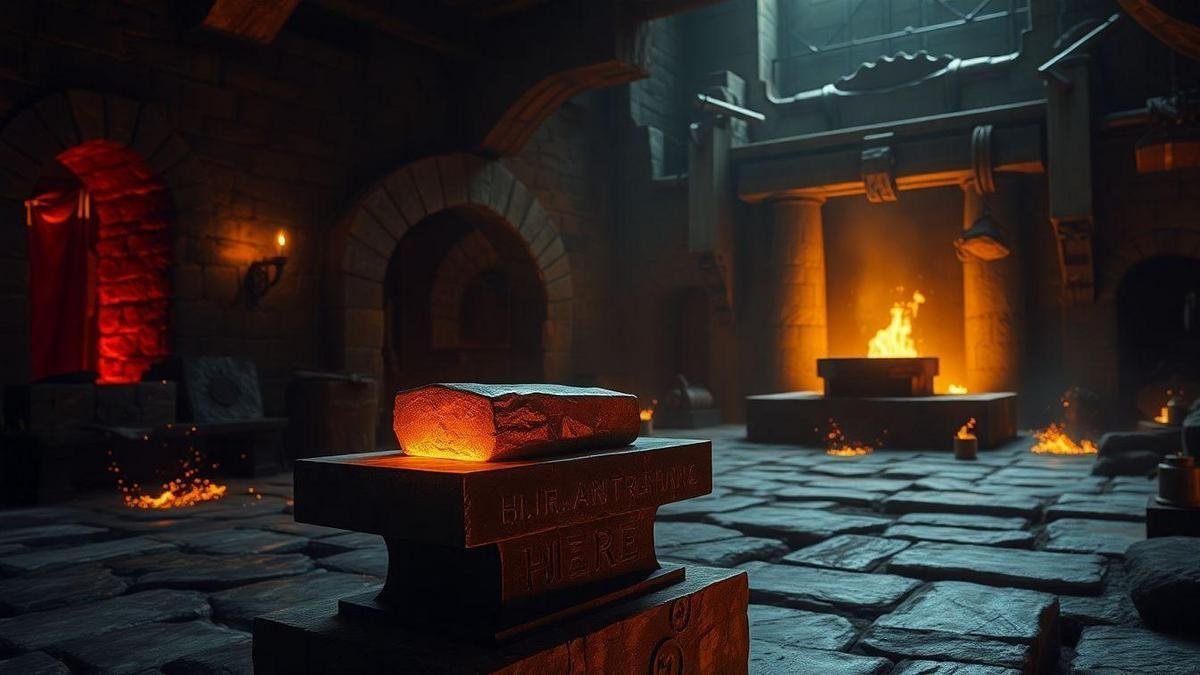
If you saw the headline “Thor’s Epic New Weapon Is Made From A God”, it sounds wild, but there’s a solid craft story behind it. Asgardian weapons come from special forges, fueled by heat, magic, and skill.
Those forges change raw stuff into tools that defy normal physics. When you hold that idea, Thor’s armory starts to make sense. See the official Marvel page on Thor’s weapons for canonical character and artifact details.
The most important raw ingredient is Uru. It’s a metal that keeps magic like a jar keeps honey: it absorbs enchantments and remembers them. Uru weapons can call storms, hold spells, or shatter parts of the cosmos.
That rarity makes Uru weapons prized and feared — the same kind of rare material debate you see when comparing exotic Marvel alloys in discussions of fictional tech across Marvel comics.
Dwarven smiths add pattern, runes, and intent. The forge and the maker leave marks you can read: a crack, a rune, a temper line. Those marks tell you whether a weapon is merely sharp—or ready to become Thor’s next legend.
You can place those smiths and their traditions alongside Asgardian life and forges in pieces about the gods and creatures of Thor’s Asgard.
What Uru metal is and why you should care
You can think of Uru as metal that listens. It takes on enchantments and remembers them, letting weapons carry spells, weather, or even personality.
Uru changes how a weapon fights: a blade of Uru can sing with thunder or split a comet. Fans gasp at headlines like “Thor’s Epic New Weapon Is Made From A God” because the material and the magic together make stories jump off the page.
“A good weapon tells a story. Uru helps it speak louder.” — smithing truth
How Nidavellir and dwarven smiths shape Asgardian weapon origin
Nidavellir is where heat meets genius. Deep caverns house furnaces hotter than volcanoes; you walk into a Nidavellir forge and feel the metal hum. Dwarven smiths bend Uru, carve runes, and set enchantments with hands trained for centuries.
They decide the final character of a weapon: how it behaves in battle and what voice it carries. These themes are explored in origin and reset stories such as Thor: Disassembled and Ragnarok-era Asgard coverage.
Key facts about Asgardian weapon origin
Asgardian weapons mix rare material, ancient magic, and master smithing.
- Uru: absorbs magic and holds spells
- Nidavellir: extreme heat and unique conditions
- Dwarven smiths: craft, runes, and final tempering
- Rarity: few Uru works exist, so each piece is special
- Marks: runes and flaws tell you a weapon’s history
What comics teach you about divine weapon metallurgy
Comics treat materials like characters. Uru behaves like a living ingredient: forging a god-made weapon mixes craft, magic, and rule-based limits. You also learn rules about worthiness and bonds: a weapon can be powerful and useless if it refuses to obey.
Comics repeat a pattern: rare ore, a divine spark, and a law or enchantment to bind the result. Headlines like “Thor’s Epic New Weapon Is Made From A God” follow that pattern. For authoritative background on Mjolnir and mythic weapon themes, see this overview of background on Mjolnir and mythic weapons.
“Whosoever holds this hammer, if he be worthy, shall possess the power of Thor.” — classic comic decree
How Mjolnir and Stormbreaker show divine metal rules
Look at Mjolnir: forged from Uru and sealed with an enchantment that sets a worthiness test. The hammer can fly back and choose its wielder. The metal is strong, but the spell makes it moral as well as physical — a pattern discussed in retrospectives like The Legacy of Thor: God of Thunder.
Stormbreaker was made under different pressure and intent. It lacks Mjolnir’s original worthiness clause but bonds by purpose and creation. Comics show that intent and ritual shape how divine metal behaves — a theme tied into sweeping Marvel arcs such as The Infinity Saga.
| Weapon | Core Material | Governing Rule | Comic trait |
|---|---|---|---|
| Mjolnir | Uru | Enchantment of worthiness (Odin) | Chooses wielder; returns when thrown |
| Stormbreaker | Uru cosmic forge | Bond by purpose and creation act | Massive power; made to be wielded quickly |
How enchantments and Odin-era laws affect “weapon made from a god” ideas
Enchantments act like a user manual: spells grant limits, safety, or loyalty. A rune can stop a weapon from harming a town; another can bind it to one family. Odin-era laws are older edicts that can lock a weapon to a person or fate.
Common comic moves: lock, bind, or free. These legal and familial bindings are part of the dramatic conflict explored in stories like Thor vs. Loki: a brotherly battle for power and other Asgardian disputes.
- Old laws and enchantments often:
- Bind the metal to a line or a creed
- Add moral checks like worthiness
- Let the weapon act with a will that mirrors its maker
Comic-verified notes on divine weapon metallurgy
Comics consistently show three essentials: a rare metal (often Uru), a binding act (forge, sacrifice, or ritual), and a governing rule (enchantment, oath, or law). Together they produce a weapon that’s more than steel: a legacy with limits and loyalties written into its grain.
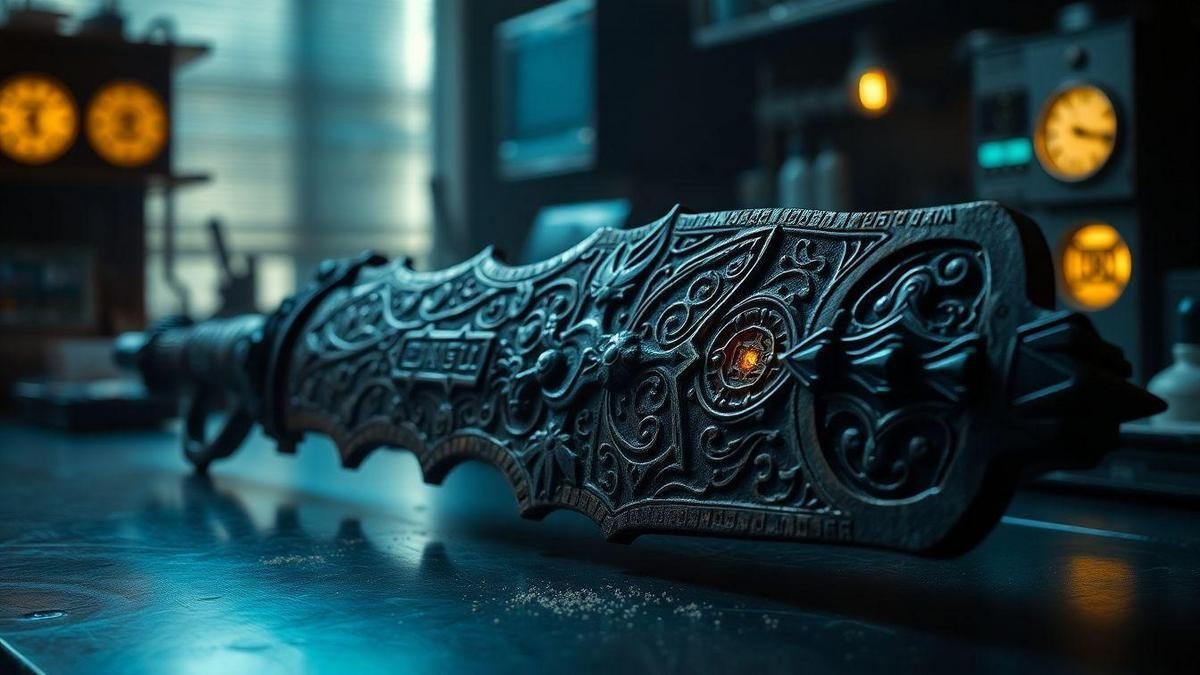
How you can understand a weapon made from a god in Marvel lore
Break the idea into three lenses: material, intent, and link.
- Material: what it’s physically made of — Uru, bone, or stranger things.
- Intent: why it was made — trophy, tool, or prison.
- Link: ongoing tie to the god — does it carry will or memory?
Read effects as well as looks. If a blade hums with a private voice, that’s a living connection. If it only glows in a scene, that’s symbolic power. In comics, god-made can mean made of a god, made by a god, or made for a god — each gives different rules.
For a philosophical look at how objects and stories shape identity, consult work on narrative identity and how objects shape selves.
What writers mean when they call a weapon made from a god
Writers use the phrase to signal extra stakes. When they say a weapon is made from a god, they usually mean it carries part of that god’s power or purpose.
Sometimes the label is literal (a weapon carved from a fallen god’s bone); other times it’s emotional — forged by gods using divine materials. Read the scene and quotes to tell which the author intends.
“If the weapon still remembers its maker, you’ll see it choose sides.” — common writer shorthand in dialogue
How Thor’s lore treats rare god-forged items
Thor stories mix myth with clear mechanics. Mjolnir and other weapons are often forged with divine tech or enchanted by gods; their rule sets are usually stable: only certain hearts can lift or command them.
Headlines like “Thor’s Epic New Weapon Is Made From A God” mean the weapon either contains a god’s essence or channels a god’s will, which raises moral stakes and character tests. For broader context on gods and mortals interacting with power, compare themes in Gods Among Men.
Clear points about weapons made from a god
Keep these facts handy: such weapons affect story, power levels, and character choices.
- Types to watch:
- Literal: made from a god’s body or essence — often acts on its own.
- Forged by gods: made of divine materials (like Uru) — follows special rules.
- Enchanted: mortal-made but bound by magic — responds to worthiness.
| Origin Type | What it implies | Story signposts |
|---|---|---|
| Literal god material | A living connection; weapon can have agency | Voices, visions, independent actions |
| God-forged metal | Extra durability and clear enchantments | Special rules about who can use it |
| God-enchanted item | Moral or ritual limits | Tests of worth, vows, or oaths |


How a god-forged weapon theory could change Thor and his role
A weapon forged from a god flips rules in ways that hit both heart and hammer. If “Thor’s Epic New Weapon Is Made From A God”, Thor could carry memory, will, and moral weight. The weapon would make every swing mean something beyond damage — a conversation.
That change nudges Thor from muscle to moral center: duty versus mercy, not just fighting. The weapon could amplify powers or add limits, demanding payment. Battles become tests of judgment, not just brawn.
Allies might fear it, enemies seek it, and Asgardian politics could spin out. Thor might lead more like a statesman or carry blame for the weapon’s past.
How a new armament might shift Thor’s powers on page and screen
On the page, writers can show subtle power changes with interior thoughts and slow development: new elemental effects, sentient guidance, or a strategic limit. On screen, the weapon becomes spectacle and sound: energy bleeding from the god, voices, or a reactive glow; filmmakers compress arcs into big beats.
Callout — Think of the weapon like a living legacy: mentor, burden, or ticking time bomb. Watch how it changes Thor’s choices frame by frame.
| Aspect | Comics (Page) | Film/TV (Screen) |
|---|---|---|
| Pace of change | Slow, interior | Fast, visual |
| Representation of will | Thought/narration | Voice, effects |
| Impact on character growth | Layered, long-term | Dramatic, condensed |
How stories use a new Marvel Thor armament to drive plot and growth
Writers use a new armament as a mirror: it forces Thor to face identity. Expect origin quests, temptation, mastery, loss, and redemption. The weapon’s origin can spark quests; its abuse can spark wars; its cure can demand sacrifice. Side characters matter more: warn him, steal the weapon, or die trying to stop misuse.
Story angles to watch for:
- Origin mystery: who made it and why
- Power cost: what must be paid to use it
- Political fallout: nations and gods fighting over it
- Emotional arc: how Thor responds to its will
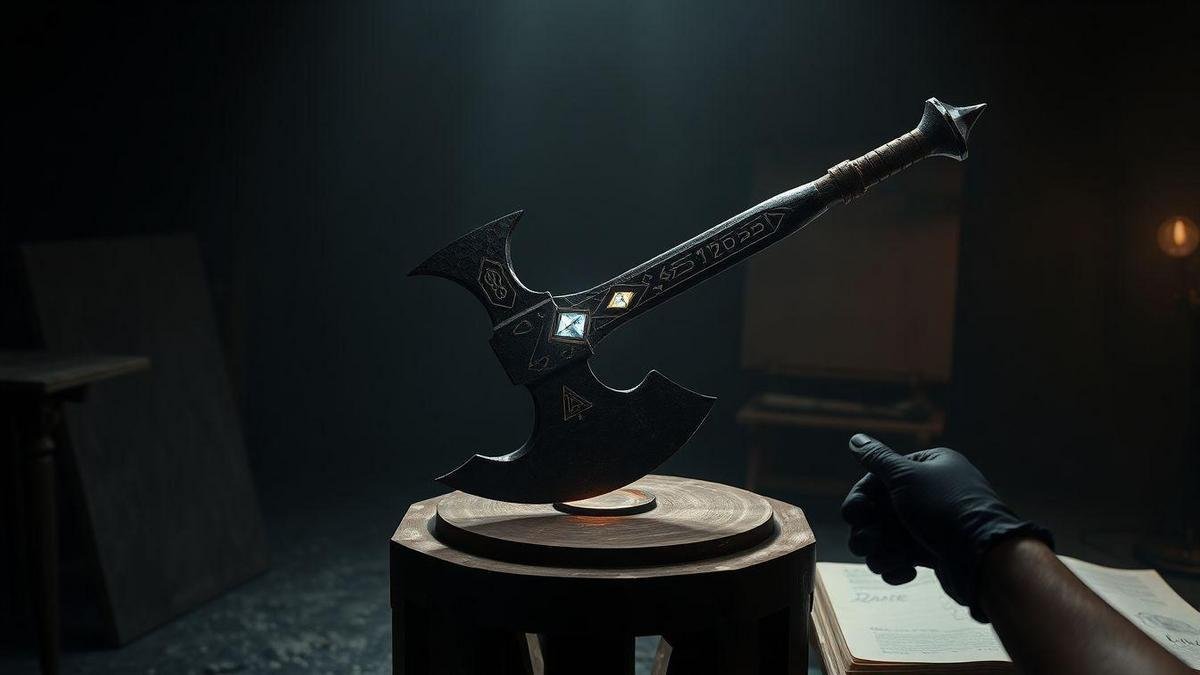
How artists show a god-crafted weapon concept so you can spot it
Artists treat the weapon like a character: framed in long panels or held close-up while everything else blurs. Light reacts differently: glow, bloom, and reflective surfaces separate it from ordinary metal. Visual history appears as runes, scars, or halos.
A weapon that looks like it carries memory is usually framed as higher origin. For tools on reading images and composition, consult these visual analysis techniques for spotting symbolic details.
Visual signs of divine metal, texture, and glow in panels
Look for metal with its own skin: veins of light, swirling patterns, or textures like flowing water. Sound effects and motion lines sell weight and presence. Quick checklist:
- Glow or aura that stays constant across panels
- Runes or patterns etched into the blade
- Light behaving oddly (bouncing, gleaming from within)
- Motion lines or vibration suggesting power
Note: If a comic teases “Thor’s Epic New Weapon Is Made From A God,” expect all these signs turned up to eleven. The art will make you feel the weapon before any character explains it.
Color, scale, and iconography that signal mythical weapon origin
Color choices matter: deep golds, stark whites, and cosmic blues contrast with ordinary tones. Scale and iconography (thunderbolts, crowns, animal emblems) point to a deity or myth. These symbols are shorthand; once you learn them, you’ll spot divine origin at a glance.
Compare how iconic objects signal identity in other Marvel gear — for example, the storytelling around Captain America’s shield or Black Panther’s vibranium suit.
Visual cues that signal a divine origin
When you see consistent signs — unique light, carved symbols, sound cues, unusual scale, and mythic color — they combine into a clear message: this weapon came from something greater.
How fans and editors treat “Thor’s Epic New Weapon Is Made From A God” news and weapon origin lore
Fans hit a story like a racehorse leaving the gate. When a headline says Thor’s Epic New Weapon Is Made From A God, expect hot takes, memes, and theory threads. Fans connect dots using panels, clips, and old issues to build a big picture.
You’ll see this exact cycle play out around major crossover fallout like War of Realms aftermath coverage.
Editors and experienced writers act slower. They check credits, primary sources, and tag what’s confirmed versus rumor. Editors flag inconsistencies and point readers to interviews, solicitations, and official press releases before treating a claim as fact.
Both groups shape what you believe: fans create buzz; editors steady the course. For data on how news and reactions spread across platforms, see research on how social platforms amplify news and reactions.
Where you can find common fan takes and verified facts
- Fan hubs: Twitter/X, Tumblr, Instagram, Reddit, YouTube, TikTok — great for reactions and early theories (signals, not proof).
- Verified sources: Marvel.com, official press releases, credited interviews, comic solicitations, and issue credits. Look for quotes from named editors or creators.
Heads-up: a viral headline can be catchy and wrong. Wait for an official quote before treating bold claims as canon.
How Marvel handles continuity, retcons, and official updates on a new weapon
Marvel usually teases, explains, and formalizes: teases (variant covers), explanations (issues, tie-ins, interviews), formalization (databases, encyclopedias).
Retcons happen: origins or abilities can be adjusted to fit a bigger plan, often explained in letters pages, special issues, or hardcover introductions. For how editorial shifts reshape Asgard and its weapons, see analyses like Marvel Siege: Asgard and editorial change.
Where to find updates:
- Marvel.com and Marvel’s official social accounts
- Major comics sites: CBR, ComicBook.com, Newsarama
- Creator interviews on YouTube and podcasts
- Reddit threads and Twitter/X for fan sightings and scans
- Publisher solicitations and issue previews
Conclusion: Thor’s New Weapon Forged from a God Shocks Marvel Fans
A weapon made from a god is less a lump of metal and more a living contract. It’s forged from rare stuff like Uru, shaped in places such as Nidavellir, and finished by dwarven smiths—then sealed with enchantments and old Odin-era laws. Those ingredients together make a tool that can change fights and rewrite a hero’s purpose.
Think of the armament as a character, not a prop. It will test worthiness, carry memory, and press on Thor’s choices. On the page you’ll read its whispers; on screen you’ll feel its thunder.
Learn the signs and you’ll spot the secret before a character says it: constant glow, carved runes, mythic iconography, and the way it pulls focus in a panel. Fans will race to theories. Editors will hunt verification. Listen to both, but hang on to the facts.
If you like digging into gear that reshapes characters and worlds, you’re in the right place. Want more deep dives, breakdowns, and hot takes? Explore a broader Thor primer like Thor: From Asgard to Earth’s Mightiest Hero.
Frequently Asked Questions
A: It’s a weapon forged from a god’s essence or divine material—raw power in metal with memory and will.
A: Typically by claim, quest, or forged from divine matter (Nidavellir, dwarven smiths, or divine intervention).
A: Yes. A weapon containing a god’s essence can wound gods and anyone in its path.
A: Not likely. Such weapons usually require being chosen, bonded, or deemed worthy.
A: Bigger fights and higher stakes—conflicts become moral and narrative tests, not just displays of strength.