Ghost Rider’s Epic New Deal With The Devil opens the door to how Johnny Blaze sold his soul to Mephisto and became a spirit of vengeance. This piece lays out the pact’s facts, shows how it functions as a Faustian bargain, compares Blaze to Robbie Reyes, and reads the symbols — chains, skulls, and fire — that mark the Hellfire vengeance arc.
You’ll also see how the pact shaped long stories and later adaptations. For context on how comics treat vigilantism and moral cost, consider how other pieces of the medium explore those tensions: comics of vigilante justice and moral philosophy.
Key Takeaway
- You gain great power from the deal.
- You pay a steep, moral price for that power.
- You risk losing who you are.
- Friends and loved ones may be harmed or turned away.
- You’re forced to choose between revenge and doing right.
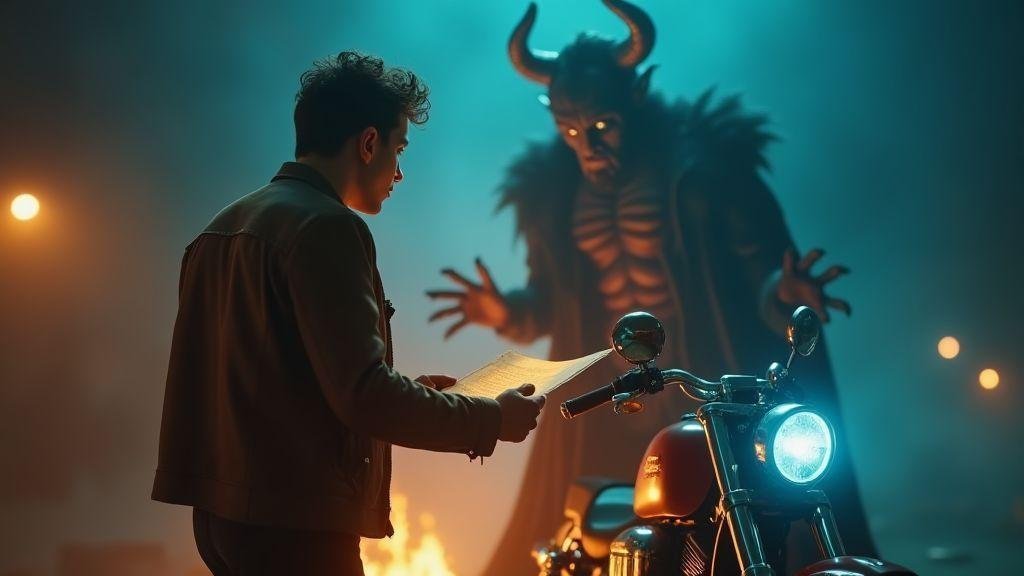
Johnny Blaze origin and the Johnny Blaze pact with Mephisto
Johnny Blaze was a stunt motorcycle rider who loved the roar of the engine and the thrill of the jump. When his mentor Crash Simpson fell ill, Johnny — desperate and scared — sold his soul to Mephisto to save him. For the canonical origin and character profile, see the Official Marvel profile of Johnny Blaze.
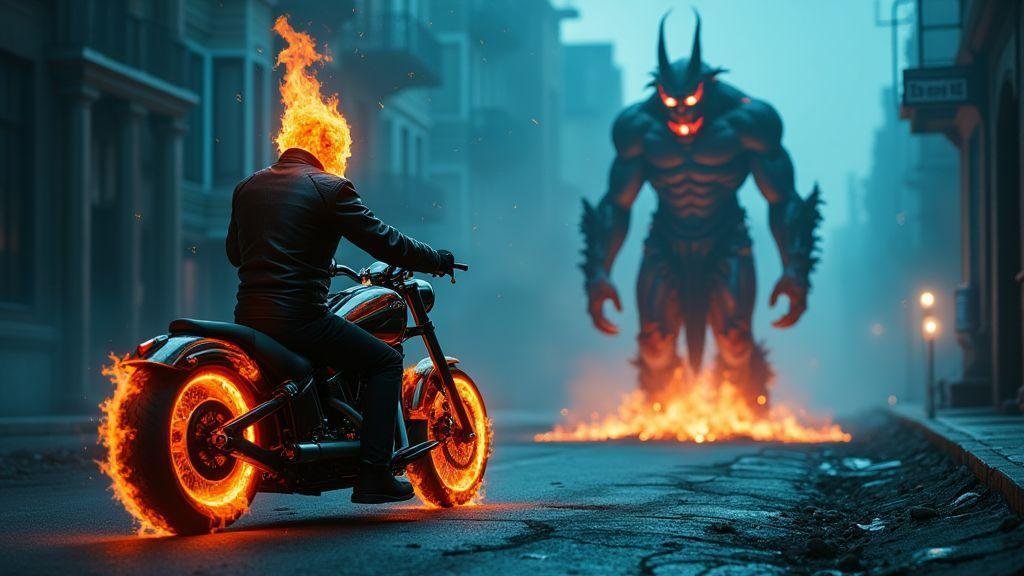
That bargain didn’t go as expected. Mephisto bound Johnny to a spirit called Zarathos, creating the flaming skull figure known as Ghost Rider. The change turned Johnny’s anger and guilt into fuel: he still remembers who he is, but now wears hellfire like armor and rides vengeance like a motorcycle.
Over time comics added tweaks and retcons, but the core remains: a desperate pact led to cursed power. The pact gave Johnny strength and a terrifying role — a spirit of vengeance forced to punish the guilty even when he wanted a normal life.
For how mythic and god-like forces get folded into superhero myth, see discussions of gods and supernatural beings in comics.
Note: The deal saved Crash but cost Johnny his freedom. That tradeoff is the core of his tragedy.
How Ghost Rider’s Epic New Deal With The Devil turned Blaze into a spirit of vengeance
When Johnny struck that fateful deal, Mephisto didn’t just heal a man — he created a weapon. The pact merged Johnny’s soul with a vengeful entity, producing Ghost Rider: human by day, flaming avenger when vengeance calls.
As the Rider, Johnny gained hellfire manipulation, superhuman strength, regeneration, and the Penance Stare that forces wrongdoers to feel their crimes. Those gifts came with a rulebook he didn’t write: the Rider seeks out sin and punishes it. That mission weighs on Johnny because his freedom was traded for a relentless drive to judge others.
The facts about Johnny Blaze’s pact with Mephisto in Marvel Comics
Comic writers have clarified and changed details over the years. Here are the reliable facts: Johnny sold his soul to Mephisto to save Crash Simpson. Mephisto then bound Johnny to Zarathos, which produced the Ghost Rider persona. The mix of deal and demon gives the story both personal and cosmic stakes.
You should know the deal’s lasting effects: Johnny keeps memories of his life, but the Rider can take over. He gains hellish powers and a duty to punish evil.
- Powers gained: hellfire manipulation, enhanced strength, regeneration, Penance Stare.
- Drawbacks: loss of soul autonomy, periodic possession by Zarathos, isolation from normal life.
- Who benefits: Mephisto gains a claim on Johnny’s soul and influence over a powerful agent of vengeance.
| Element | Original comics | Later notes / retcons |
|---|---|---|
| Who Johnny made the deal with | Mephisto | Still credited in many runs, though other demons have been involved |
| Purpose of the deal | Save Crash Simpson | Same, but motives and wording have been adjusted in retellings |
| What Johnny became | Ghost Rider (host to Zarathos) | Sometimes portrayed more as a curse than a bargain |
| Ongoing effect | Forced role as spirit of vengeance | Stories explore free will vs. control |
What you need to know about the Rider transformation origin
The transformation flips fast: pain, anger, or the curse trigger the change. You watch a human turn into a flaming judge — skull alight, chain swinging — and you feel the sadness beneath the spectacle.
It’s not just visual: it’s a soul being used as a weapon. The way long-form comics plant seeds and later pay them off helps explain why early panels about the pact return as huge plot points later; see how creators use foreshadowing in long-form comics to build those payoffs.
The Ghost Rider Faustian bargain as a clear moral tale
The Ghost Rider story is a Faustian bargain: quick gain, slow cost. The arc shows how temptation — the promise of justice and power — changes choices, then how consequences creep in: loved ones suffer, the hero loses parts of himself, and the mission corrodes identity.
For classic background on Faustian bargains, consult the Britannica overview of Faustian bargains and themes.
At the end, it’s about choice more than spectacle. Moments where the hero could step back but does not show what the deal truly costs. The story becomes a moral tale because it ties actions to price and identity.
How Ghost Rider’s Epic New Deal With The Devil mirrors classic Faust themes
You can spot the same beats as the classic Faust tale: temptation, a cunning tempter, and a price that grows. Ghost Rider’s Epic New Deal With The Devil echoes that pattern: the Devil gives power to punish, and the hero pays with soul, freedom, or peace.
| Element | Classic Faust | Ghost Rider example |
|---|---|---|
| Temptation | Knowledge or power | Vengeance and power to punish |
| Tempter | Mephistopheles | A devilish force or infernal contract |
| Price | Soul or damnation | Loss of self, ties to Hell, harm to loved ones |
| Chance for redemption | Rare, costly | Hard-won, tied to sacrifice and choice |
The parallels let you read the comic like a fable: the deal is less a plot device and more a mirror of human weakness. If you want parallels in other Marvel characters who pay heavy personal prices for power, look at how addiction and personal failings shape arcs like the Demon in a Bottle legacy.
The supernatural moral dilemma heroes face after a demonic pact
Once the pact is signed, the hero faces split loyalties: duty to others vs. the demon’s pull. That inner tug creates drama and forces hard questions: would you take the same deal? Could the hero ever pay the debt? For philosophical context on punishment and retribution that helps frame vigilante justice, see this Analytical overview of punishment and retribution.
- Loss of free will or agency
- Harm to innocent people as the price rises
- Tests of identity and conscience
- Escalation from targeted justice to blind vengeance
Note: Watch for temptations framed as justice; look for objects or contracts that bind the hero; watch loved ones suffer first — those are red flags of a deal.
Loss of agency can be compared to other ethical questions comics explore, such as debates about control and consent in supernatural manipulation: ethical issues around mind-control and coercion in comics.
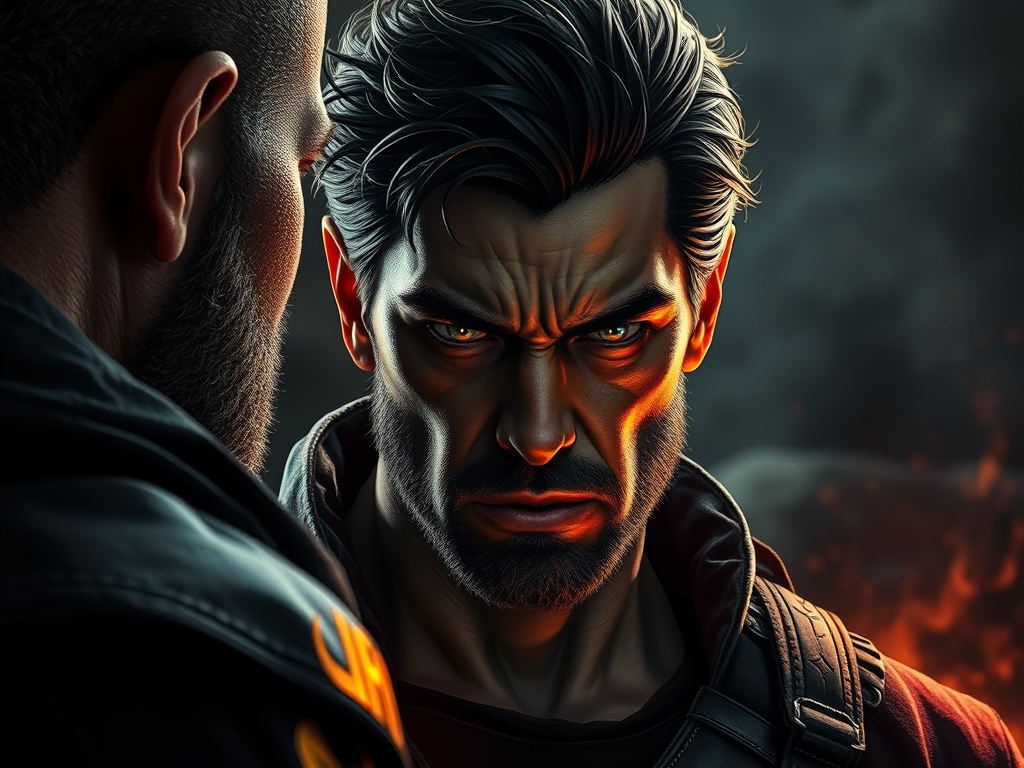



Demonic contract consequences across major Marvel Comics supernatural story arcs
Demonic deals in Marvel stories start simple: you trade something for power. Those trades grow teeth over time. You see heroes gain strength and lose parts of themselves; towns change; old friends become enemies. The cost is rarely cash — it’s soul, memory, or freedom. That slow burn keeps the stakes high.
When a major figure signs a pact — think how Ghost Rider’s Epic New Deal With The Devil reverberates — the effect appears across other books. Villains exploit it, allies get suspicious, and the rules of magic shift.
A single bargain spawns quests for redemption, revenge, or control, and consequences create new plots. For large-scale demonic aftermaths and how they echo across titles, see examples like the King in Black aftermath.
Common long-term consequences:
- Personal corruption or loss of identity
- Collateral damage to communities and allies
- Legal or cosmic enforcement that haunts future plots
- Legacy effects passed to other characters
| Arc / Example | Type of Deal | Typical Long-term Consequence |
|---|---|---|
| Ghost Rider dealings | Soul/power pact | Ongoing moral conflict; recurring villains exploit the pact |
| Hellfire-style bargains | Vengeance or influence | Community ruin and shifting allegiances |
| Minor character trades | Short-term gain | Seed for future betrayals or redemption arcs |
How Ghost Rider’s Epic New Deal With The Devil shaped long term plots
The Ghost Rider deal flips the script on what power costs. That force drags new threats into stories: old enemies smell weakness, new enemies form from fallout. The deal becomes a plot anchor, tying arcs together and changing how magic and contracts behave in the wider universe.
“Power paid for by your soul keeps a long receipt.” — oft-repeated warning in Rider tales
For how long-form comics plant seeds and build sprawling consequences, check essays on foreshadowing and long-form storytelling.
The Hellfire vengeance arc and the fallout from demonic deals
The Hellfire vengeance arc leans into revenge as fuel. Demonic contracts used for vengeance harm targets and bystanders: families torn apart, law pushed aside, cycles of payback that never stop. The ripple effect keeps the story alive long after the main fight ends.
What readers learn about demonic contract consequences in Rider stories
Bargains are story seeds: they give immediate drama and future hooks. They show that power has a price not always obvious up front. Most of all, watch for tiny moments — a missed word, a favor owed — because those small things often grow into the biggest regrets.
Robbie Reyes demonic bargain vs Johnny Blaze’s pact with Mephisto
Robbie Reyes and Johnny Blaze both wear a flaming skull and exact justice, but their deals differ sharply. Blaze made a conscious trade with Mephisto and signs his fate; Robbie’s path feels accidental — a spirit attached to his car plus violent family ties pushes him into becoming Ghost Rider.
Johnny’s story reads like a cold contract: a deliberate bargain with Mephisto. Robbie’s feels like a haunted drive: grief, revenge, and a presence in his charger that won’t let go.
Blaze’s struggle is cosmic and legalistic; Robbie’s is intimate, messy, and tied to the streets he grew up in. For a look at how street-level antiheroes handle possession and violent ties, compare similar themes in the Venom Lethal Protector era and other antihero sagas.
How Robbie Reyes’ demonic bargain differs from a classic deal with Mephisto
Robbie’s connection is possession by a spirit, not a negotiated transfer of soul to a demon. The source matters: Mephisto’s deals are explicit with terms and a price; Robbie’s bond is tied to a vehicle and motive — revenge or protection for family. Robbie rarely signs his life away on purpose; the power lands on him while he’s trying to survive.
Key differences at a glance:
- Source: Mephisto vs unknown/vengeful spirit
- Consent: Bargain/contract vs possession/attachment
- Scope: Cosmic deal vs street-level motive
- Emotion: Theatrical guilt vs raw anger and protection
| Feature | Johnny Blaze (Mephisto) | Robbie Reyes (Spirit in the Car) |
|---|---|---|
| How the power appears | Contract with Mephisto | Possession/attachment to car/spirit |
| Consent | Deliberate pact | Accidental or forced bond |
| Motive | Personal sacrifice / manipulation | Revenge, protection for family |
| Scope | Cosmic, mythic consequences | Local, personal consequences |
| Control | Complex bargains and punishments | Messy, emotional, sometimes cooperative |
CALLOUT: When you imagine “Ghost Rider’s Epic New Deal With The Devil,” think Blaze — Robbie gives you a different, grittier flavor of the same curse.
Why Robbie’s origin ties to a spirit and crime family, not the same pact as Blaze
Robbie’s tale is family drama, gangs, and a car with a history. His uncle, his job, and local crime shape his choices. The spirit attached to Robbie’s vehicle comes with motive tied to those people. Mephisto plays chess and sets long games; Robbie’s bond plays like a bar fight — immediate, loud, personal.
- Family and violence set the scene.
- A spirit latches onto the car and Robbie.
- Power comes with a mission, not a clause.
- Stakes stay local and emotional, not metaphysical.
What you should know about Robbie Reyes and how his bargain stands apart
Robbie’s Ghost Rider is about family, choice under fire, and street justice. His bond feels like an inheritance — heavy, personal, and unpredictable. You don’t get a neatly worded deal with Mephisto. Instead you get a haunted ride and a guy who fights to keep his family safe while wrestling with a violent presence that asks for blood.
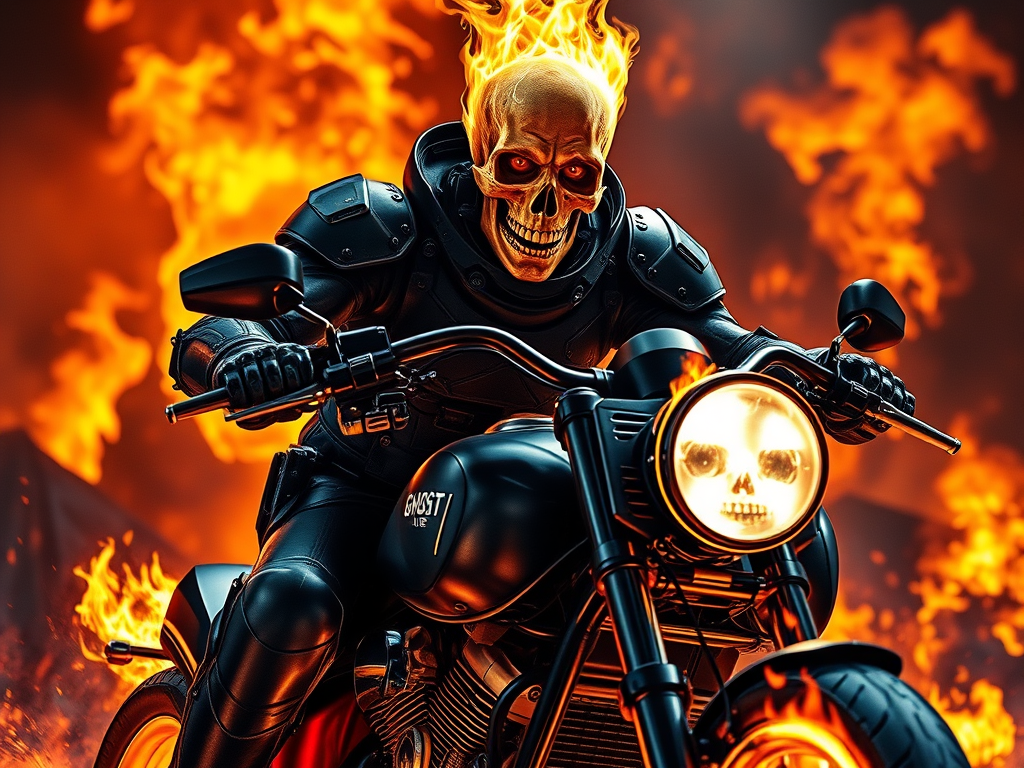
Hellfire chains symbolism and the visual language of Rider transformation origin
The moment chains appear, a story is told. Chains are memory, bondage, and tool all at once. In Rider art they loop around a flaming skull — the past catching up.
Heavy links show weight: guilt sitting on the shoulders. Hellfire along the links turns burden into weapon. For guidance on comics visual storytelling and symbolism, consult the British Library guide to comics visual storytelling.
Fire remakes identity. When flame wraps bone and leather it erases and signs: the skull glows, the eyes burn, the face becomes a warning. Transformation scenes use color and motion to mark the point of no return. The visuals tell you this is not just power — it’s a sentence.
Chains and flame also map moral lines: close shots of links around wrists read like courtroom close-ups; long shots of chains thrown across a city read like public vengeance. Artists mix close and wide framing so you track the Rider’s inner law and outer action.
How Ghost Rider’s Epic New Deal With The Devil uses chains and fire as symbols
The new deal changes tone but keeps the same icons. In Ghost Rider’s Epic New Deal With The Devil, chains and fire frame the bargain. Chains show the cost; fire shows the transformation. The chain becomes part of the Rider’s signature moves — both weapon and promise fulfilled. Every swing feels like a verdict.
Callout: Chains in this arc act like ink on a contract — the more they show, the deeper the deal.
What chains, skulls, and flame show about guilt, punishment, and power in Marvel Comics
Skulls and flame say guilt aloud: a skull is a face of death and a mirror for the Rider’s past; fire shows punishment that burns permanent. Marvel uses these to tell who wears the blame and who metes out justice. The chain links the Rider to victims, sins, and the Devil’s terms.
Visual meanings to spot:
- Chains = burden, connection, instrument of judgment
- Skull = identity erased or claimed, mortality
- Flame = punishment, purification, power
| Symbol | Visual Cue to Watch For | What It Often Means |
|---|---|---|
| Chains | Close-up on links; motion blurs | Burden, enforced duty, tool of retribution |
| Skull | Glare in eye sockets; exposed jaw | Identity shift, reminder of death and guilt |
| Flame | Color shift to white-hot; drips and trails | Punishment, cleansing fire, unleashed power |
How you read Hellfire chains symbolism when you look at Rider art
Start small: watch the links, then the hands, then the city the chain crosses. Read chaining direction: is it pulling the Rider back or flinging judgment out? Notice flame color and how much of the skull shows. The more the chain ties to a person, the more the story says this power is also a burden.
For other heroes whose visual languages communicate inner conflict (masks, shadows, symbolic props), see pieces on unreliable narration and visual storytelling as a way creators reframe origin details over time.
How Ghost Rider new deal with the Devil shaped adaptations and fan meaning
Ghost Rider’s Epic New Deal With The Devil is the engine that drives every version you watch or read. It gives the character a clear cost and raw edge. Adaptations lean on that debt to make stories feel dangerous and personal. For authoritative context on comics’ cultural history and adaptations, see the Library of Congress overview of comics history.
Some versions treat the pact as a curse that eats the hero from inside; others treat it as a pact that can be bargained with, broken, or redirected. Those choices shift tone: darker pacts feel like horror; moral bargains lean into drama and choice.
For examples of how TV and film expand mythic or mystical elements differently, compare how cosmic magic showdowns and street-level supernatural tales are staged.
For fans, the deal becomes a mirror: what would you trade for power? That question fuels debates, fan art, and cosplay.
The role of the Faustian bargain in TV, film, and animated versions
- Film: big, dramatic moments and visuals — feels final and epic (e.g., Nicolas Cage’s movies).
- TV: slow, character-driven fallout — lets you explore consequences (e.g., Gabriel Luna’s Robbie Reyes on Agents of S.H.I.E.L.D.). For TV reimaginings that lean into psychological and mythic struggle, see other character reboots like Moon Knight’s reimagining.
- Animated: stylized visuals and condensed arcs — hits both thrills and theme.
| Medium | How the deal is shown | Why it matters |
|---|---|---|
| Film | Big, dramatic moments and visuals | Feels final and epic |
| TV | Slow, character-driven fallout | Lets you explore consequences |
| Animated | Stylized visuals and condensed arcs | Hits thrills and theme |
“The deal makes him human and monstrous at once.” — a common fan thought you’ll see echoed online.
How Marvel Comics’ supernatural storytelling influenced other comics and shows
The bargain opened doors for darker, more adult takes, blending superhero action with horror. Other creators borrowed the idea of a price for power: bargains gone wrong, redemption arcs, and soul-debt plots appear across titles.
That trend made supernatural themes mainstream and let creators take bigger emotional swings. For a cultural view of how comics reflect broader values and trends, see essays on the role of comics in American culture.
How you can see the deal’s mark across media and fandom
You’ll spot the deal’s fingerprints everywhere: the skull, the haunted eyes, the moral tug. Fans remix scenes, write what if stories, and argue about who deserves the pact. Creators echo the deal in music cues, color palettes, and recurring one-liners about debt and choice.
Signs to watch for: flaming skull, chains, bargaining scenes, moral tests, and moments where power feels like a burden.
Conclusion: Ghost Rider’s Epic New Deal With The Devil
You’re left with a simple, sharp truth: the pact hands you power but rips a piece of your soul in trade. It’s a classic Faustian bargain — glittering on the surface, poisonous underneath.
Johnny Blaze’s deal with Mephisto reads like a signed sentence; Robbie Reyes’s bond feels like an inherited, violent burden. Both wear chains, skulls, and fire, but those symbols mean more than spectacle — they mark guilt, punishment, and the cost of vengeance.
Stories that grow from this deal don’t just fight villains; they probe choice, identity, and long-term consequences. You’ll feel the moral tug in every adaptation and retelling. Want to keep poking at the scar? Read more at Hero and Villain World.
Frequently asked questions
It’s a fiery pact: you gain hellfire power and a role as judge, but you pay with your freedom and a claim on your soul.
It arms you with flame and strength, haunts your mind, and compels you to hunt evil. It changes behavior, appearance, and moral priorities.
It’s very hard. Some stories show love, sacrifice, or loopholes as escape routes, but few win easily.
It helps you fight bad guys but steals peace and autonomy. It is both boon and curse.
Expect action and pain, moral struggle, and questions of identity and redemption. You’ll see spectacle and the long cost behind it.
For related reading about moral complexity in street-level heroics and conflicted defenders, see pieces on Daredevil’s moral weight and how antiheroes blur lines between protector and predator.