As collectors, we understand the thrill of finding that perfect comic, but the anxiety of shipping can be real. I’ve personally felt that dread when a new acquisition is on its way, hoping it arrives in the same condition it left. Protecting our valuable investments is paramount.
That’s why we’re diving deep into the world of hardcase comic book mailers. These aren’t just boxes; they’re fortresses for your prized possessions. Join us as we explore how to ensure your comics travel safely, every single time.
Why Hardcase Mailers Matter for Your Comic Collection
We have all felt that cold pit in our stomachs when a long-awaited delivery arrives with a crushed corner or a nasty bend right across the cover.
For us collectors, a comic isn’t just paper and ink; it is a financial investment and a piece of modern mythology that deserves respect.
Standard envelopes or flimsy poly-mailers offer zero protection against the chaotic environment of modern postal sorting facilities and heavy delivery trucks.
When your book is in transit, it faces hazards like spine stress, blunted corners, and the dreaded mid-book crease caused by heavy packages stacked on top.
I have seen countless high-grade keys lose half their value in a single afternoon because the seller chose cheap packaging over structural integrity.
A quality hardcase mailer acts as a rigid exoskeleton, absorbing the kinetic energy of drops and preventing the cardboard from flexing under pressure.
By choosing robust mailers, we are not just shipping a book; we are guaranteeing the preservation of its condition for the next generation of readers.
The cost of a premium mailer is a fraction of the loss you would incur if a Near Mint copy arrived as a “reader copy” due to poor protection.
In our community, your reputation as a seller or trader is built on how your books arrive, making hardcase mailers an essential tool in your arsenal.
Top 5 Best Hardcase Comic Book Mailers Reviewed
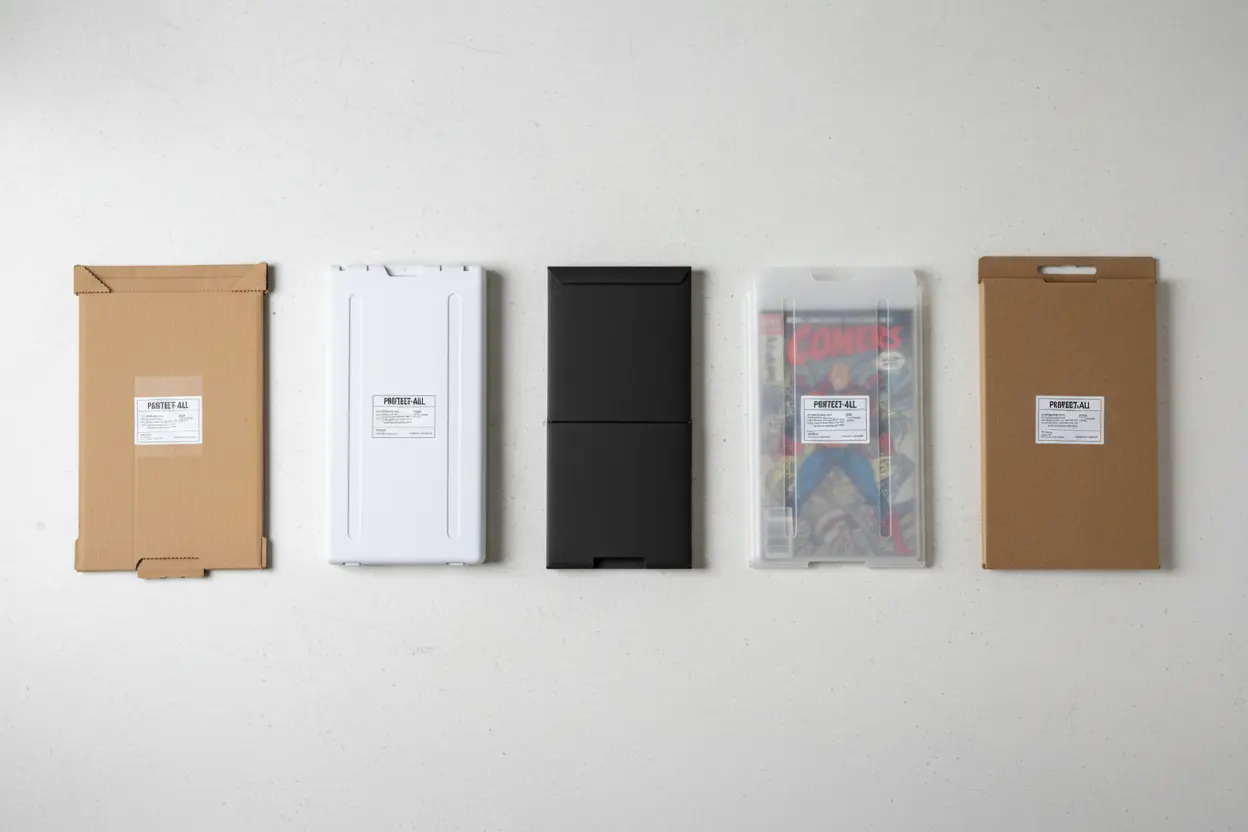
Selecting the right mailer can be overwhelming, so we have tested the top contenders to see which ones actually survive the “postal gauntlet.”
| Mailer Model | Material Type | Best For | Protection Level |
|---|---|---|---|
| Gemini Flash Mailer | Corrugated Cardboard | Single/Small Sets | Elite |
| BCW Comic Mailer | Heavy-Duty Cardstock | Budget Shipping | High |
| T-Fold Rigid Mailer | Double-Wall Flute | High-Value Keys | Maximum |
| Stay-Flat Plus | Extra-Rigid Fiberboard | Modern Thin Books | Medium-High |
| Box-Style Adjustable | Multi-Depth Cardboard | Bulk Shipments | Elite |
1. The Gemini Flash Mailer
This is widely considered the industry standard for a reason; its unique folding design creates “bumpers” that protect the corners from impact.
I personally use these for 90% of my shipments because they are lightweight yet incredibly rigid, saving on postage without sacrificing safety.
2. BCW Heavy-Duty Mailers
If you are looking for a reliable and cost-effective solution for common books, BCW offers a sturdy fold-over design that resists bending.
They are perfect for Silver Age or Modern Age books, providing a snug fit that prevents the comic from sliding around during transit.
3. T-Fold Double-Wall Mailers
When we ship high-value keys or slabbed books, we turn to T-Fold mailers because of their double-layered edges and superior crush resistance.
The assembly takes a few extra seconds, but the peace of mind knowing the book is encased in a literal cardboard vault is worth the effort.
4. Rigid Stay-Flat Fiberboard
These are excellent for lower-value modern books where you want to keep the profile slim to fit through standard mail slots.
While not as impact-resistant as a Gemini, they feature reinforced fibers that make it nearly impossible to bend the package by hand.
5. Multi-Depth Adjustable Boxes
For those of us shipping entire runs or graphic novels, these boxes allow you to customize the height to ensure a tight, secure fit.
They eliminate the need for excessive void fill, keeping your shipping costs down while providing a professional, “brick-like” structure.
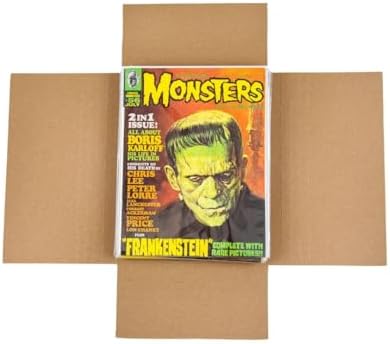
- SUPERIOR SHIPPING PROTECTION – Proudly Made in USA, Gemini Mailers offer far greater crush, edge, and corner protection …
- VERSATILE DESIGN – The 8.5 x 11 x 2 Inches inner dimensions of our corrugated cardboard sheets can accommodate most hard…
- EXPANDABLE CAPACITY – The 2″ variable depth of cardboard boxes scoring in four 1/2-inch increments ensures a secure fit …
Key Features to Look for in a Quality Comic Mailer
Not all cardboard is created equal, and understanding the technical specs of your mailer can save you from a shipping disaster.
The first thing I look for is the flute grade of the corrugated cardboard; “B-Flute” or “E-Flute” provides the best balance of thickness and rigidity.
You want a mailer that offers internal bracing, which means the cardboard folds over itself to create multiple layers of protection on the edges.
Corner protection is the most critical feature; look for mailers that extend slightly beyond the dimensions of the comic to create a “crumple zone.”
A quality mailer should have a secure adhesive strip that is strong enough to prevent tampering but easy for the buyer to open without a knife.
I always check the weight-to-strength ratio; we want the toughest protection possible without pushing the package into a higher postal weight bracket.
Material integrity is also vital; the cardboard should be “virgin” rather than low-quality recycled pulp, which can be brittle and prone to cracking.
Internal movement is the enemy of a safe shipment, so look for mailers with adjustable folds that “lock” the book in place.
Lastly, consider the surface finish; a smooth exterior allows shipping labels to stick better and provides a professional look for your brand.
How to Properly Pack Your Comics for Safe Shipping
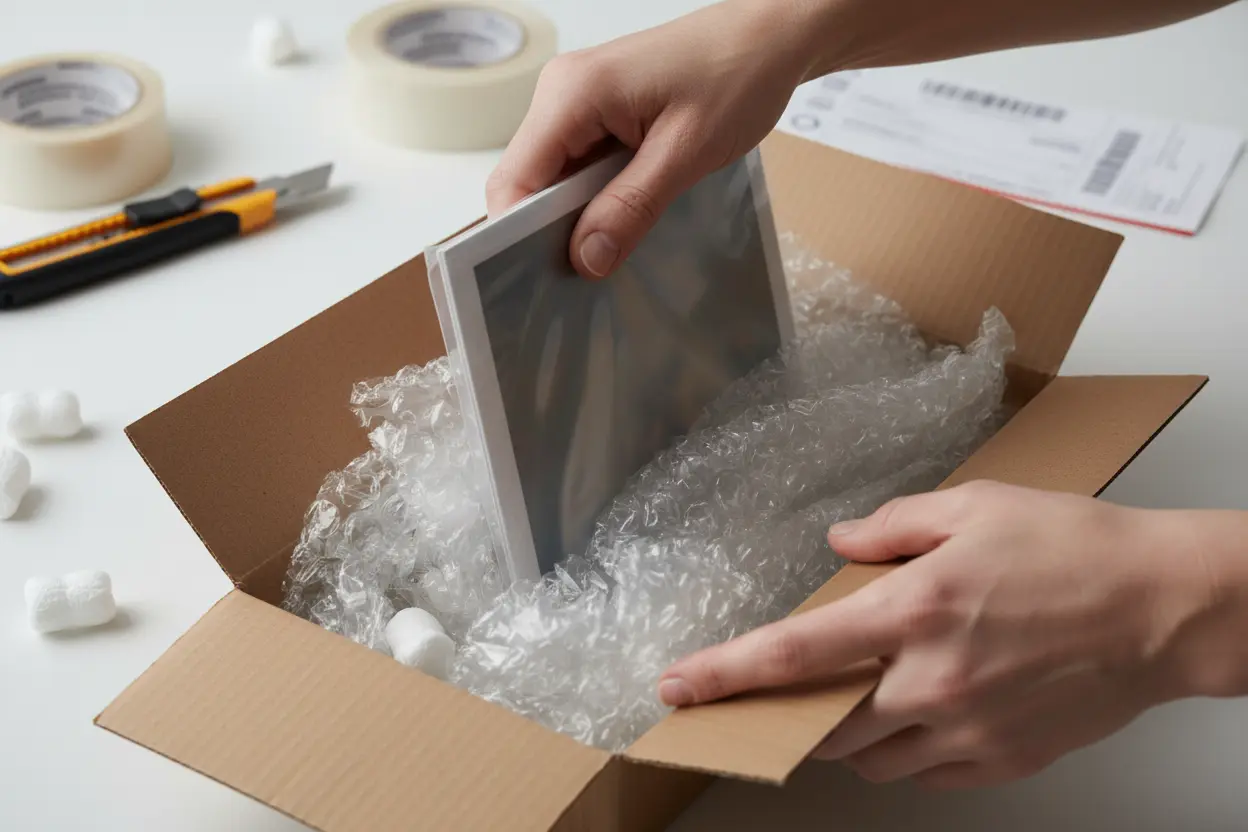
Even the best hardcase mailer won’t save a book if it is packed poorly inside; we must follow a strict protocol to ensure total safety.
Step 1: The Foundation
Always ensure your comic is in a fresh poly-bag with a high-quality, acid-free backing board to provide initial structural support.
Step 2: The Sandwich Technique
I highly recommend placing the bagged comic between two extra sheets of cardboard (slightly larger than the book) and taping them together.
Note: Use painter’s tape or “easy-peel” tape so the buyer doesn’t accidentally damage the comic while trying to cut through heavy packing tape.
Step 3: Secure the “Brick”
Place your “sandwich” inside the mailer and ensure it is centered; if there is any wiggle room, use a small piece of bubble wrap to fill the void.
Step 4: The Fold and Seal
Fold the mailer according to its design, ensuring the corners are tucked tightly to maximize the structural strength of the cardboard.
Step 5: Reinforce the Edges
I always add a strip of heavy-duty clear tape across all open seams to prevent the mailer from snagging on postal equipment.
Step 6: Labeling for Success
Apply your shipping label clearly on the flat side and consider adding a “Do Not Bend” sticker to alert postal workers to be careful.
By following these steps, we create a multi-layered defense that makes the package nearly indestructible under normal shipping conditions.



Soft vs. Hardcase Mailers – The Ultimate Debate
In the world of comic shipping, there is a constant debate: is the cost-saving of a soft bubble mailer worth the risk to the book?
In my professional opinion, the answer is a resounding “No” for anything other than the most common, low-value “dollar bin” books.
Soft Mailers (Bubble Envelopes):
- Pros: Extremely cheap, very lightweight, easy to store in bulk.
- Cons: Zero bend protection, prone to punctures, corners are easily crushed.
We have all seen the horror stories of a bubble mailer being folded in half by a mail carrier to fit it into a tiny mailbox.
Hardcase Mailers:
- Pros: Exceptional rigidity, “crush zones” for corners, professional presentation.
- Cons: Slightly higher unit cost, adds a few ounces to the shipping weight.
When you weigh the extra 50 cents a hardcase mailer costs against the potential $50 loss of a damaged book, the math is simple.
Hardcase mailers are the only choice for serious collectors who value the integrity of the hobby and the satisfaction of their customers.
If you must use a soft mailer, you must use heavy internal cardboard reinforcement, which often ends up weighing more than a dedicated hardcase mailer anyway.
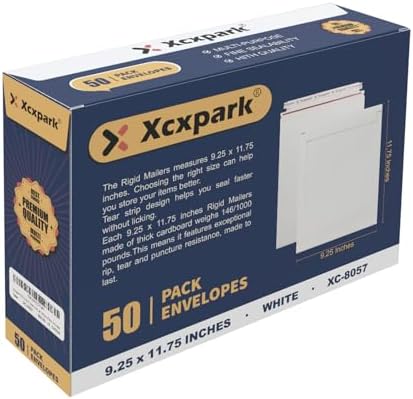
- Increase weight and thickness Each White9.25X11.75 inches Rigid Mailers made of thick cardboard weighs 96/1000 pounds.Th…
Protecting Your Investment – Beyond the Mailer
Shipping is only one part of the journey; we must also focus on how we store and manage our collections to maintain their value over decades.
Once your book arrives safely in its hardcase mailer, it should be moved to a controlled environment away from direct sunlight and humidity.
I recommend using Mylar bags (specifically Mylar D or Archives) for high-value books, as they offer superior clarity and chemical stability.
Environmental control is crucial; try to keep your collection in a room with a stable temperature and a humidity level around 50%.
Consider insurance for your collection; many standard homeowners’ policies don’t cover “collectibles” at their full market value.
We use specialized apps or spreadsheets to track the condition and value of our books, ensuring we know exactly what we are protecting.
Proper storage boxes (like plastic “bins” or acid-free cardboard longboxes) provide a final layer of defense against dust and accidental spills.
Remember, the goal is to keep the book in the exact condition it was in when it left the printing press or the CGC grading facility.
Where to Buy Quality Comic Book Mailers Online
Finding a reliable supplier is key to maintaining your shipping standards without breaking the bank on individual unit costs.
For most of us, Amazon is the easiest starting point, offering competitive prices on Gemini and BCW mailers with fast Prime shipping.
However, if you are shipping in high volume, I recommend going directly to wholesale sites like Uline or the official BCW Supplies website.
eBay is also a fantastic resource for finding “bulk lots” of mailers, often sold by other collectors who have overstocked their supplies.
When buying online, always read the reviews specifically looking for comments about “cardboard thickness” and “shipping damage to the mailers themselves.”
I suggest buying in packs of 50 or 100; the price per unit drops significantly when you move away from small 10-pack quantities.
Check for bundle deals that include backing boards and bags, as these “all-in-one” kits can offer the best overall value for new sellers.
Don’t forget to check local comic shops; many owners are happy to sell you a few mailers from their own stock if you are in a hurry.
Reader Reviews and Expert Opinions on Mailers
The consensus among the hardcore comic community is clear: the mailer you choose says everything about how much you value the medium.
“I won’t buy from a seller twice if they ship in a bubble mailer,” says one veteran collector on a popular comic book forum.
Professional graders often note that shipping damage is the number one reason books fail to hit their expected “9.8” target grade.
Experts in the industry, including top-tier eBay PowerSellers, almost universally recommend the Gemini-style fold for its reliability.
“We have shipped over 10,000 books using hardcase mailers and have had a 0.1% damage rate,” reports one major online retailer.
Many readers have shared testimonials about packages that were left in the rain or dropped down stairs, yet the comic inside remained pristine.
This social proof reinforces the idea that spending a little extra on quality packaging is the best “insurance policy” you can buy.
Ultimately, the trust we build within the community depends on our commitment to protecting these stories we all love so much.
Your Comic’s Journey: Safe and Sound
We’ve explored the essential world of hardcase comic book mailers, understanding their vital role in preserving our cherished collections. I believe that investing in quality protection is never an expense, but a wise decision for any serious collector. Your comics deserve the best journey possible.
Now, we want to hear from you! What are your go-to hardcase mailers, and what packing tips have you found most effective? Share your experiences and insights in the comments below to help fellow collectors!
FAQ – Common Questions About Best Hardcase Comic Book Mailers
We’ve gathered the most frequent questions we receive from the community to help you choose the best protection for your precious collection.
We always recommend hardcase options because they provide the rigid structural integrity necessary to prevent bending, creasing, and corner dings during transit. While bubble mailers offer cushion, only the best hardcase comic book mailers can truly guarantee your issues won’t be folded by heavy machinery or careless handling.
Many of the best hardcase comic book mailers are designed specifically for raw books, but several brands offer “extra-deep” versions for slabs. I suggest always checking the internal dimensions to ensure your CGC or CBCS cases fit snugly without putting pressure on the plastic rails.
In our experience, internal bracing and “crush zones” at the corners are the most vital features for maximum safety. We also prioritize mailers made from heavy-duty corrugated cardboard, as they offer the best balance between weight-saving and indestructible protection.
Yes, we often find that high-quality mailers can be reused multiple times if the structural integrity remains intact. As long as the corners aren’t crushed and you use fresh packing tape to secure the seal, the best hardcase comic book mailers can safely transport several different orders over their lifespan.
Most standard hardcase designs we use are optimized for 1 to 4 raw comics, including their bags and boards. If you are shipping a larger run, we recommend looking for “variable depth” mailers that allow us to fold the sides at different heights to accommodate thicker stacks safely.