How Comic Books Get to Readers: Distribution Channels Explained
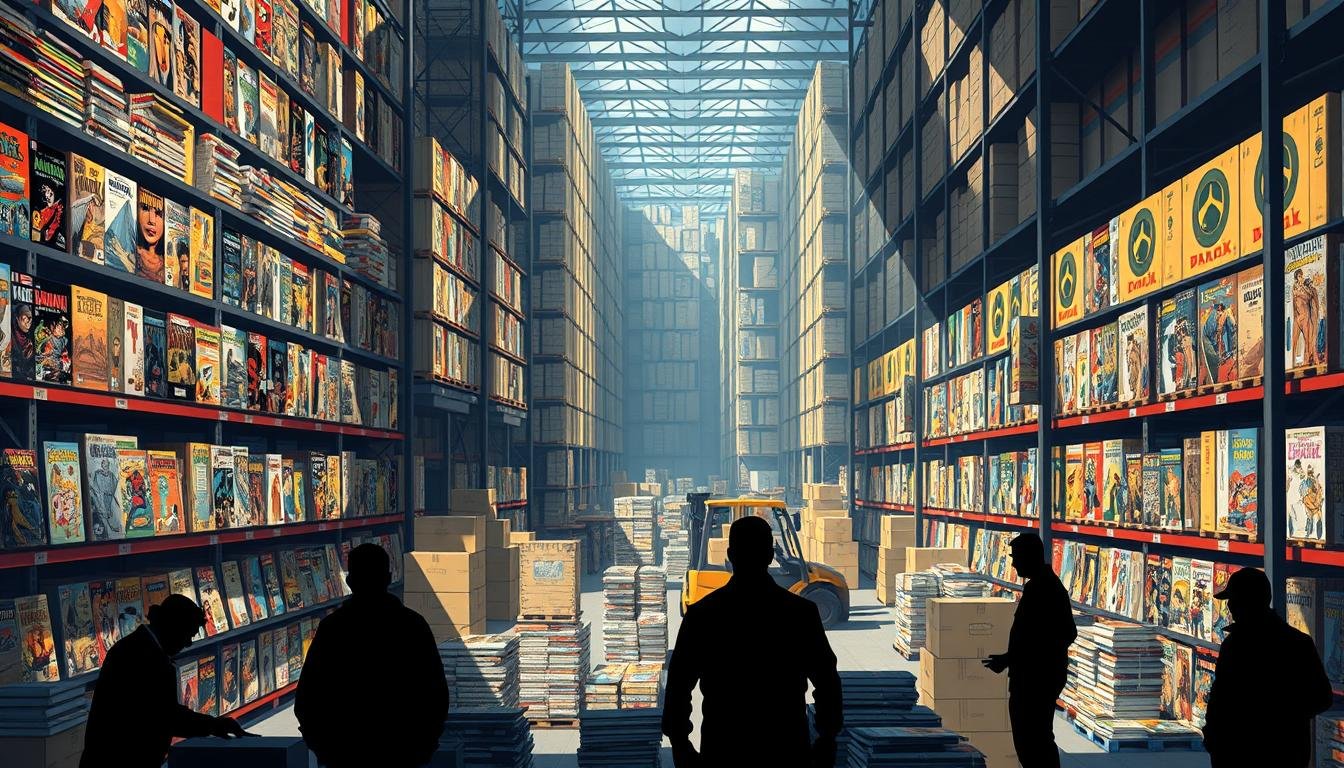
Ever wondered how your favorite comics get to you? The journey from creators to readers is complex and exciting. It has changed a lot over the years.
Comic distribution has changed how we get our stories. Now, we can find comics in many places, from old newsstands to new digital sites. This change opens doors for publishers, creators, and fans.
If you love comics, knowing how they’re distributed is key. It helps collectors, creators, and readers understand the market better. It’s a world full of stories waiting to be found.
Today, there are many ways to get comics. You can find them in print or online. Whether it’s a local shop or a subscription service, there’s something for everyone.
This guide will dive into the world of comic distribution. We’ll look at the strategies, challenges, and new ideas. We’ll see how comics reach readers in the U.S. and worldwide.
Understanding the Evolution of Comic Book Distribution
The world of comic book distribution has changed a lot since it started. It moved from street corners and newsstands to digital platforms. This shows how fast the entertainment world can change.
In the mid-1960s, comic books were mainly sold at newsstands. Fans could find them at magazine stands, convenience stores, and corner shops. But, this way of selling had big problems:
- Limited shelf space
- Unpredictable inventory
- Low visibility for niche titles
- High return rates for unsold comics
From Newsstands to Specialized Channels
Then, comic book shops started to appear. These stores changed how fans bought comics. They made a more focused way to sell comics.
The Rise of Independent Distributors
Independent distributors were key in changing comic book sales. They helped connect publishers with comic shops directly. This way, they could manage stock better and support smaller publishers more.
Impact on Publishers and Creators
The new ways of selling comics changed publishers a lot. The direct market model helped them:
- Predict sales more accurately
- Reduce financial risks
- Reach more dedicated comic book fans
- Experiment with diverse storytelling formats
By looking at how comic book distribution has evolved, we see how technology and market changes have shaped the industry today.
The Traditional Newsstand Distribution Model
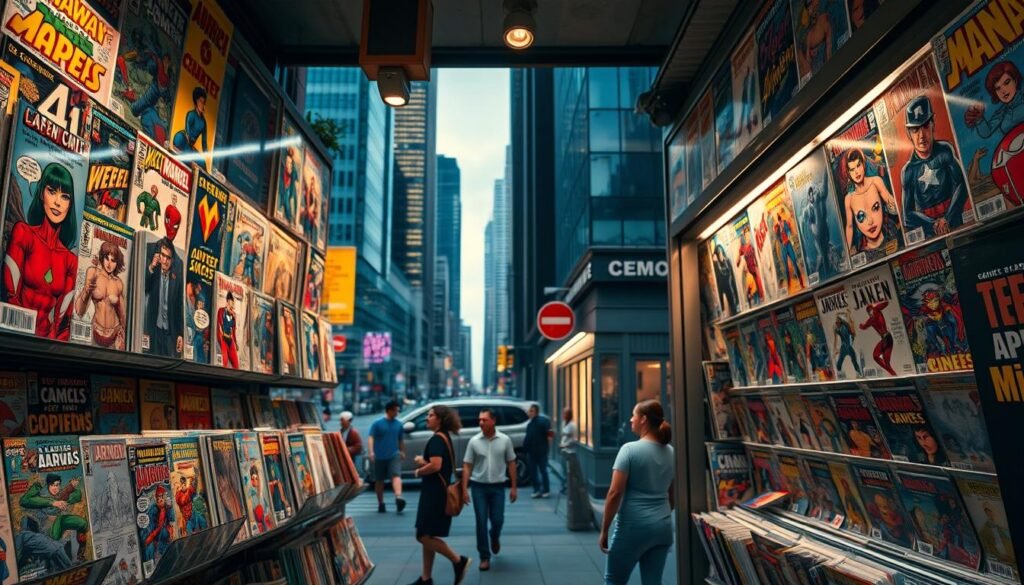
In the mid-20th century, newsstands were key for comic book publishers. The complex comic distribution channels connected publishers with readers. This was done through a network of distributors and retailers.
The traditional newsstand model had many important players:
- National Distributors
- Independent Distributor Wholesalers
- Retail Outlets
- Publishers
Publishers like DC Comics and Marvel used national distributors to get their comics out. These distributors decided how many copies to send to different places.
| Distribution Component | Typical Performance |
|---|---|
| DC Comics Sell-Through | 68.3% |
| Marvel Comics Sell-Through | 40% |
The affidavit system let distributors report sales without returning unsold copies. This made managing inventory easier and reduced logistical problems.
Understanding the traditional distribution model reveals the complex journey comics took from publisher to reader.
By the mid-1970s, this system was starting to break down. This led to big changes in how comics would reach readers in the future.
The Direct Market Revolution in Comics
The comic book world changed a lot with direct market distribution. This new way of getting comics to readers made a big difference for everyone involved.
Direct market changed how comics were sold. Before, comics were sold in many places. Now, comic book shops bought them directly from publishers. This meant they made more money and had less risk.
Revolutionizing Comic Book Retail
The direct market brought many benefits to comics:
- Non-returnable sales with higher discounts
- Specialized comic book shops became primary distribution points
- Publishers gained more predictable revenue streams
- Collectors found dedicated retail spaces
Economic Impact on Publishers and Retailers
Comic book shops became key in this new system. They could order exactly what their customers wanted. This reduced the risk of having unsold comics.
| Distribution Method | Publisher Discount | Return Policy |
|---|---|---|
| Traditional Newsstand | 30-40% | Returnable |
| Direct Market | 50-60% | Non-returnable |
Sales Transformation
The direct market made comic book shops into community centers. They started pull list systems. This let fans reserve comics and helped publishers sell more.
Comic book shops focused on loyal collectors. They offered personalized service. This made the market more stable and engaged.
Diamond Comics Distributors: The Industry Giant
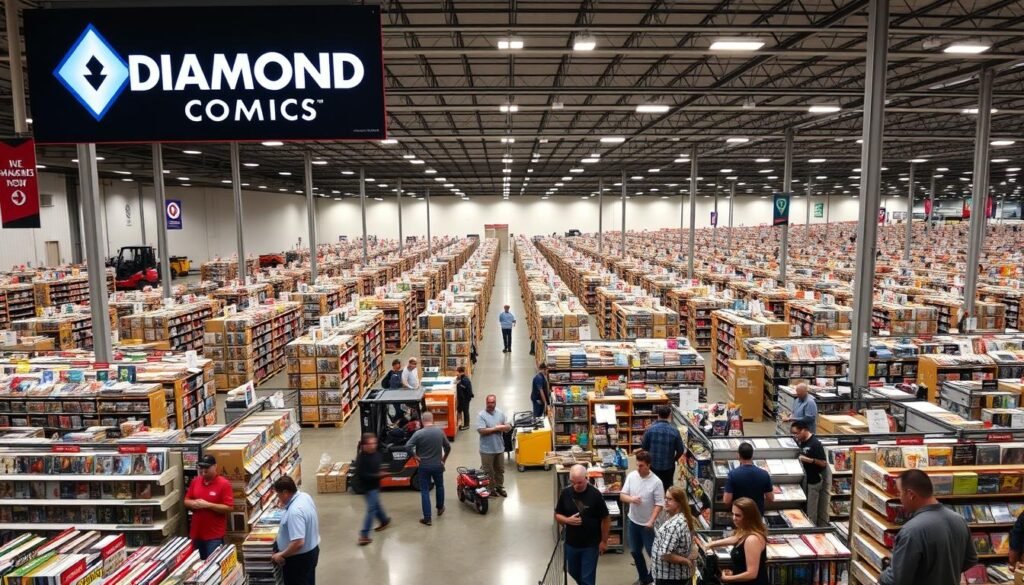
Diamond Comics Distributors is the top name in comic book distribution. Since the late 1980s, they’ve changed the game. They connect comic publishers and retailers all over the United States.
Starting small, Diamond quickly became the big player in comic book distribution. By the mid-1990s, they were the sole distributor for big comic book publishers. This made them a key part of the comic book world.
“Diamond Comics Distributors revolutionized how comics reach readers across the country.” – Comic Industry Insider
Diamond has made a big impact on comic book distribution. Here are some ways they’ve shaped the industry:
- Centralized distribution for nearly all major comic publishers
- Standardized ordering processes for comic book shops
- Created comprehensive catalog systems for retailers
- Simplified supply chain for comic book publishers
Some say Diamond has too much power. But they’re key to keeping the comic book world running smoothly. They help shops and publishers deal with the complex world of direct market distribution.
| Year | Distribution Milestone |
|---|---|
| 1982 | Diamond Comics Distributors Founded |
| 1995 | Became Exclusive Distributor for Major Publishers |
| 2020 | Continued Market Dominance in Comic Distribution |
Knowing about Diamond’s role helps you see how complex comic book distribution is. Their system links creators, publishers, retailers, and readers. It’s a vital network that keeps the comic book world alive.
Comic Distribution Channels Explained: Modern Methods
The comic book world has changed a lot, giving readers many ways to enjoy their stories. Now, you can find comics in print or online, thanks to comic distribution channels that are more varied and easy to use than ever.
Today, there are more choices than ever for both creators and readers. The rise of digital comics has changed how we read graphic stories.
Print Distribution Networks
Even though digital options are popular, print networks still matter a lot. Comic book shops and special stores are key places for fans to find their favorite comics.
- Local comic book stores
- Specialty retail chains
- Bookstore comic sections
Digital Distribution Platforms
Digital platforms have made comics more accessible than ever. Sites like ComiXology and Webtoon let independent creators share their work with people all over the world.
| Platform | Unique Features | Reader Reach |
|---|---|---|
| ComiXology | Extensive library | Global |
| Webtoon | Vertical scrolling format | International |
| Marvel Unlimited | Subscription-based | Marvel fans |
Subscription Services
Comic subscription services make it easy to get your favorite comics. They offer collections and regular shipments, making it simple to keep up with your favorite stories.
- Monthly comic box subscriptions
- Digital subscription platforms
- Publisher-specific subscription models
No matter if you like physical comics or digital ones, there’s a way for every reader to enjoy their favorite stories. Modern comic distribution channels make it easy to find what you love.
Independent Comic Distribution Strategies
Independent comic book publishers face big challenges in the world of comic distribution. They can’t just follow the same path as big publishers. They need to think outside the box and find new ways to get their comics to readers.
Independent creators have a few main ways to reach their fans:
- Direct sales at comic conventions and artist alleys
- Online platforms and digital marketplaces
- Small press and alternative comic distribution networks
- Crowdfunding platforms like Kickstarter
Your success in comic distribution comes from knowing many channels. Digital platforms have changed how independent comics find readers. Sites like Gumroad, ComiXology, and indie-friendly platforms connect creators directly with fans.
The key to successful independent comic distribution is diversifying your approach and leveraging multiple channels.
Many independent comic creators use different ways to get their work out there. Some focus on local comic shops, while others sell online and on digital platforms. Looking at comic distribution through an independent lens shows a world that’s dynamic and open to new ideas.
Digital Comics and Online Distribution Platforms
The world of digital comic distribution has changed how we read our favorite stories. Online comic stores have made it easier for fans to access comics from anywhere. This has opened up a new world of convenience and accessibility.
Digital platforms have become the go-to for comic book lovers. These online stores give readers instant access to thousands of comics. It’s all at their fingertips.
Leading Digital Platforms in Comic Distribution
- Comixology (now part of Amazon)
- Marvel Unlimited
- DC Universe Infinite
- Webtoon
- Comixology Unlimited
Revenue Models and Pricing Strategies
Digital comic platforms use different ways to make money:
- Subscription-based models: Monthly access to huge comic libraries
- Buying individual issues
- Digital comic bundles
- Free preview options
Digital comic prices vary from $0.99 to $3.99 per issue. Subscription services offer great value. Some platforms let you read unlimited comics for a flat monthly fee. This makes digital comics a great choice for those watching their budget.
Digital comics represent the future of comic book consumption, offering convenience and accessibility like never before.
Now, readers can enjoy comics on many devices, from phones to tablets. This has broken down old barriers in comic distribution. The digital shift is changing how we find, buy, and enjoy graphic stories.
Print-on-Demand and Alternative Distribution Methods
Print on demand comics have changed how indie creators and small publishers share their stories. This new way lets artists publish comics without big upfront costs. It makes the comic book world more open to everyone.
The main benefits of print on demand comics are:
- Low initial investment for creators
- Flexible inventory management
- Reduced financial risk
- Direct-to-consumer sales opportunities
Print-on-demand services offer creators a lot of flexibility. You can print just the comics you need. This solves the old problem of having too much or too little stock.
| Print-on-Demand Service | Key Features | Best For |
|---|---|---|
| IngramSpark | Wide distribution network | Independent publishers |
| Amazon KDP | Easy online publishing | Individual comic creators |
| DriveThru Comics | Digital and print options | Graphic novel artists |
Now, small publishers and indie comic creators can reach people all over the world. The print-on-demand model lets artists keep their creative freedom. It also helps them avoid the big financial risks of printing too much.
Print-on-demand isn’t just a distribution method—it’s a creative liberation for comic artists.
The Role of Comic Book Shops in Distribution
Comic book shops are at the heart of the direct market. They connect publishers, creators, and fans. These stores are more than just places to buy comics. They build communities and support local fans.
Comic book shops have a special bond with their customers. They manage their inventory well and engage with fans. This changes how comics are shared with fans.
Local Store Networks: Connecting Communities
Comic book shops are key in the direct market. They offer many benefits:
- Personalized customer recommendations
- Curated comic collections
- Expert knowledge about upcoming releases
- Safe space for comic enthusiasts to connect
Pull List Systems: Customized Comic Ordering
Pull list systems are a smart way to order comics. They let customers pre-order their favorite titles. This way, they never miss an issue.
| Pull List Feature | Customer Benefit |
|---|---|
| Advance Ordering | Guarantees comic availability |
| Personalized Tracking | Tracks individual subscriber preferences |
| Reduced Missed Issues | Minimizes disappointment from sold-out comics |
With pull list systems, comic book shops build strong relationships. They offer a vital service to both publishers and readers.
International Comic Distribution Networks
Comic book distribution goes beyond local areas, forming a vast global network. This network connects creators with readers all over the world. To grasp international comic distribution, one must understand complex licensing deals, cultural changes, and varied market tastes.
Different areas bring their own set of challenges for comic distribution. Publishers face several key issues when they go global:
- Language translation and localization
- Cultural content adaptation
- Regional licensing requirements
- Market-specific consumer preferences
Big comic publishers like Marvel and DC have smart plans for global distribution. They work with local publishers, translators, and distributors to get comics to fans everywhere.
Digital platforms have changed comic distribution, making it easier to reach across the globe. Online stores and digital comic sites let readers buy and download comics from anywhere. This breaks down old barriers of location.
Knowing about comic distribution can help publishers tackle international markets. The world of comic distribution is always changing, offering new chances for creators and readers alike.
“Comics are a universal language that transcends borders” – Comic Industry Expert
Conclusion
The world of comic book distribution has changed a lot over the years. You now know about everything from old newsstands to new digital ways. This shows how complex and exciting it is, connecting creators with fans all over the U.S.
Comic book distribution has grown from simple print to advanced networks. This includes digital platforms, direct market retailers, and online services. It shows how the industry can change and still keep its core connection with fans.
Now, you see how comics travel from one place to another. They go from small shops to big digital platforms. This has changed how we get to read graphic stories. The future looks bright, with new tech and ideas opening up more chances for creators and readers.
If you love comics, knowing how they get to us is powerful. It lets you dive into the world of comic stories in many ways. The path from creator to reader is now more open and varied than ever.
FAQ
Q: What are the main comic book distribution channels?
A: Comic books are sold through several channels. These include newsstands, specialty shops, digital platforms, print-on-demand, and independent networks. Each has its own benefits for publishers, retailers, and readers.
Q: How do digital comic distribution platforms work?
A: Digital platforms like comiXology and Marvel Unlimited let readers buy or subscribe to comics online. They offer instant access through apps or web browsers. Prices vary, from per-issue to monthly subscriptions.
Q: What is the direct market distribution model?
A: The direct market model has shops buying comics from distributors like Diamond. This is different from newsstands. Shops pay a discount upfront, helping both publishers and retailers financially.
Q: How do independent comic creators distribute their comics?
A: Indie creators use many ways to sell their comics. They might use Kickstarter, online platforms, print-on-demand, or sell at conventions. They also sell through local shops and their own websites.
Q: What challenges do comic book shops face in modern distribution?
A: Shops face tough competition from digital platforms and limited options. They also deal with thin profit margins and changing consumer habits. The pull list system helps manage inventory, but they must keep up with market changes.
Q: Are print comics still relevant in the digital age?
A: Yes, print comics are still important. Many fans prefer physical copies. Comic book shops offer unique experiences and collectibles that digital platforms can’t match.
Q: How do international comic distribution networks operate?
A: International distribution involves complex agreements and cultural adaptation. Publishers work with local distributors and use digital platforms to reach global audiences. It’s a complex process.
Q: What is print-on-demand, and how does it benefit comic creators?
A: Print-on-demand lets creators print comics as orders come in. It reduces upfront costs. Services like IngramSpark help indie creators publish and distribute with low financial risk.
Q: How has Diamond Comics Distributors impacted the comic book industry?
A: Diamond became a near-monopoly in comic book sales. It simplified distribution for publishers but limited competition. This could hinder growth for smaller publishers.
Q: What are the current trends in comic book distribution?
A: Trends include more digital platforms and hybrid models. Subscription services are growing, as are independent and crowdfunded comics. There’s more diversity in distribution, offering more choices for creators and readers.