Kang The Conqueror’s Next Target Is The Future
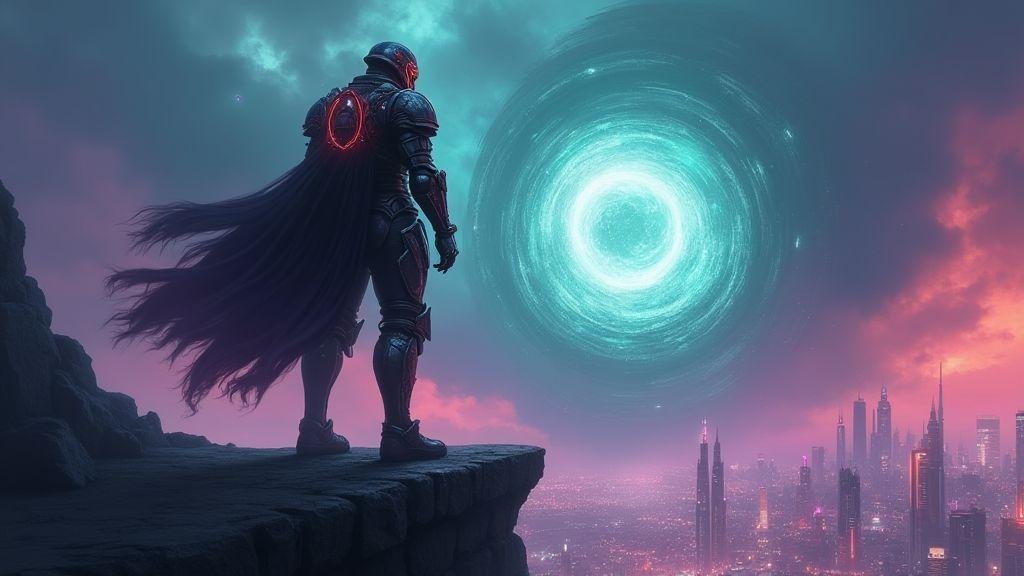
Kang The Conqueror’s Next Target Is The Future. You get a friendly guide to who Kang is and why he matters. See his comic origin and early Avengers roots from the 1960s, meet his creators, learn his core powers, and follow his wild time travel tech like time ships and time gates.
Track key timeline moments and major variants like Rama-Tut, Immortus, Victor Timely and Kang Prime. Learn how variants change goals and how to spot them.
See where he fits in the MCU, from Loki to Ant-Man and the Wasp: Quantumania. Understand why he is an Avengers threat, how he plans future conquest, and how you can follow his chronology in comics and on screen.
Key Takeaway
- You’ll face Kang using time tricks.
- You can spot changes in timelines early.
- You should join allies across eras.
- Your actions will rewrite the future.
- You can use tech and history to beat him.
Who is Kang the Conqueror and what his comic origin shows
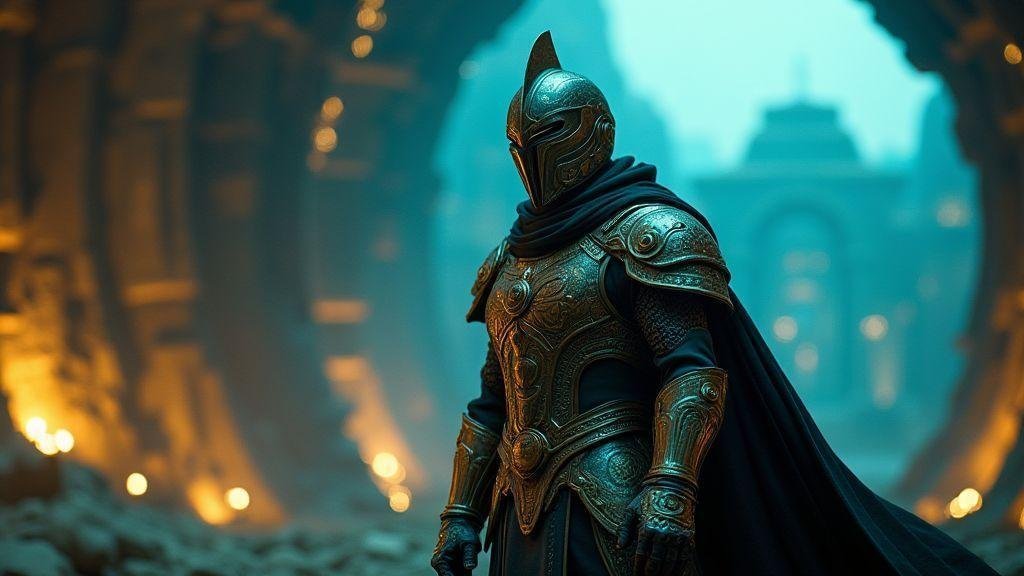
Kang the Conqueror is a time-traveling warlord who feels like a chess master you can’t beat. In the comics he begins as Nathaniel Richards, a brilliant man from the far future who finds ancient advanced tech and decides to seize power.
His origin shows how ambition and brilliance, when twisted by access to time tech, produce a villain who thinks in centuries, not minutes. For official reference, see the Official Marvel character profile and history.
He isn’t just muscle and armor. Kang builds empires across eras, studies history to bend it, and treats timelines like highways. That mix of science, strategy, and arrogance makes him different: a planner who uses knowledge as a weapon.
His origin explains why heroes struggle against him — he can be an ancestor, a future version, or a clone of figures you thought you knew.
Kang The Conqueror’s Next Target Is The Future — and that’s not a spoiler, it’s his whole game.
Who is Kang the Conqueror — Nathaniel Richards and his first comics appearances
You first meet Kang as Nathaniel Richards, a man from the 30th–31st century who studies history, borrows a time suit, grabs a time machine, and decides to rule different eras. He first appears in Avengers #8 (1964), entering with swagger and a long game.
Even in that early clash he shows patience and strategy — seeds of his identity shifts and timeline games. For how those early plays echo into modern plots, see the breakdown of Kang’s new plan and its ripple effects.
Comic facts: creators, Avengers #8 (1964), and core powers
Kang was created by Stan Lee and Jack Kirby. His debut in Avengers #8 (1964) set the tone: a time-travel epic wrapped in superhero action.
His powers are mostly tech and brains:
- Time travel via advanced devices and portals
- High-tech armor granting strength, energy weapons, shields, and force fields
- Genius-level strategy and knowledge of history and future timelines
- Command of armies across eras (soldiers, future tech, alliances)
| Fact | Details |
|---|---|
| Creators | Stan Lee & Jack Kirby |
| First Appearance | Avengers #8 (1964) |
| Real Name | Nathaniel Richards (most common) |
| Core Strengths | Time travel, high-tech armor, strategy, army command |
Why you should care about who is Kang the Conqueror
Kang changes how stories feel — he raises the stakes from one battle to the fate of many timelines. He forces heroes to think beyond punches and plans, making for tense, clever storytelling.
If you enjoy twists, historical cameos, or seeing how a small choice can explode into huge consequences, Kang’s stories are a wild ride that teach why time matters in comic drama.
For cultural and historical context on comics, consult the Library of Congress comic history resources.
How Kang uses time travel and the Kang chronology timeline
You watch Kang bend history like a chess master. Kang uses time travel to appear in eras you know and eras you don’t. He creates splintered versions of himself, each chasing a different future or rewriting a past to fit his plan. Remember: Kang The Conqueror’s Next Target Is The Future — he treats the future as a map to redraw.
He doesn’t just pop in and out. He plants anchors, builds empires, and drops tech that lasts centuries.
Read closely and you’ll spot patterns: repeated invasions, cloned selves, and timelines that heal or break depending on his whim. Pay attention to dates, names, and tech left behind to see how Kang nudges events until history suits him.
Kang time travel future: the tech, time ships, and time gates explained
Kang’s tools matter as much as his motives. His main toys are time ships — craft built to hop eras safely — and time gates, stable doors that link two moments.
He also uses wearable tech like chronal armor to resist paradoxes and field devices that anchor a version of a city to his rule. For an overview of fictional devices that shape battles like these, check the guide to fictional tech in Marvel.
You can picture it like this: a time ship is a bus that skips lanes in the highway of history. A time gate is a tollbooth that opens only for those with the right pass.
- Time Ships — carry armies across centuries
- Time Gates — fixed portals that lock two points in time
- Chronal Armor — shields a wearer from timeline collapse
- Temporal Anchors — devices that fix a rule or city to a date
Key timeline events in comics that show Kang altering history
Kang appears as Rama-Tut in ancient times, as Kang in modern clashes, and later as Immortus, who supposedly watches time. Each identity tweaks events: invasions, assassinations, alliances. Those edits add up.
Callout: Watch for repeat dates and cities. When the same year keeps popping in different issues, Kang is probably scripting a longer play.
Whole story arcs show heroes fighting the consequences of his edits — teams disband, tech vanishes, rulers fall. Those arcs are fingerprints of his timeline tampering. For how foreshadowing and long-form storytelling plant those fingerprints, see the piece on foreshadowing in comics.
How you can follow Kang chronology timeline and major dates
Start with a list of major identities and the eras they touch, then track appearances and the years mentioned. Keep notes with issue names or episode titles so you can link events. Use reading guides and fan timelines to cross-check what Kang changed versus what stayed the same.
- List Kang identities (Rama-Tut, Kang, Immortus) and the eras they affect
- Note issue numbers, comic arcs, or episodes with dates
- Mark repeated years and cities — likely targets
- Compare fan timelines to spot contradictions to investigate
Kang variants, multiverse, and major identities you need to know
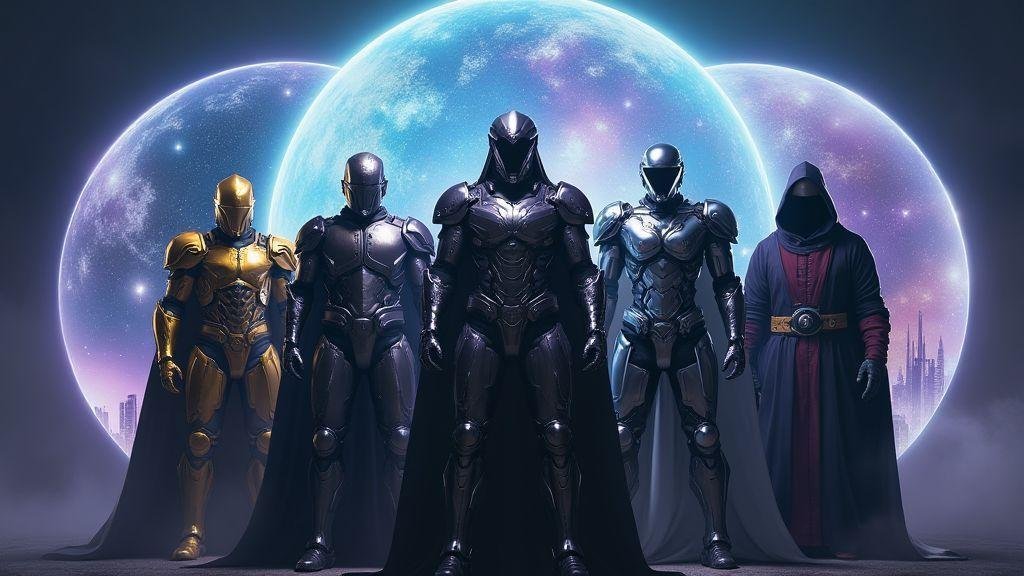
Kang is a time-tossed puzzle of a villain. Versions of him act like emperors, scientists, caretakers, and con artists. Each identity pops up in a different time slice, so track dates, tech, and motives to tell them apart — the multiverse is a hallway of doors, and behind each is a Kang with a different uniform and plan.
For primer material on alternate timelines and realities, consult the guide to parallel universes in comics.
Themes repeat: control of timelines, personal regret, and big egos. Some Kangs want power; others want to fix past mistakes or protect a future. Linking a Kang’s costume, gadgets, and speech to the era he claims helps stories snap into place.
Knowing the main names helps you follow the plot. When you hear Rama-Tut, expect ancient Egypt with future tech. Immortus suggests patience and timeline management. Victor Timely digs progress and industry. Kang Prime is the template many variants splinter from — think full-scale conquest.
Note: If you want to spot who’s who quickly, watch how they treat time. That tells you more than armor.
Major variants: Rama-Tut, Immortus, Victor Timely and Kang Prime
You’ll find Rama-Tut as a showman-king using future tech to rule a past age. Victor Timely hides as an inventor or businessman, seeding tech and industry to shape timelines quietly. Immortus likes rules and patience — he manages timelines rather than smash them.
Kang Prime is the wild card: the main template aiming to stamp his rule across many worlds. For deeper context on Kang’s plans and how they rewrite reality, see the analysis of Kang’s changing reality.
| Variant | Era / Cover | Primary Goal | Signature trait |
|---|---|---|---|
| Rama-Tut | Ancient settings with future tech | Rule a past age | Regal, theatrical tactics |
| Victor Timely | Industrial / corporate disguise | Seed tech quietly | Charming inventor persona |
| Immortus | Timelines manager / guardian | Preserve timeline order | Patient, strategic |
| Kang Prime | Multiversal conqueror | Dominate timelines | Relentless ambition |
Kang the conqueror next target: how variants change goals across the multiverse
Stories bend when a variant takes the lead. Often the narrative screams that Kang The Conqueror’s Next Target Is The Future — a variant will try to lock down what comes next so every version of himself gets a win. Other times a variant aims backward, rewriting regret into victory. That flip changes allies, enemies, and stakes.
Expect shifting goals when variants meet. A Kang who wants to rule one era uses different tactics than one who wants to erase rivals across realities. Betrayals and temporary alliances are common — they’re as frequent as time puns in these tales.
How you spot different Kang variants and their roles
Look for simple clues: costume era, speech, the tech they admire, and how they treat time.
- Costume era and gadgets
- Tone: regal, charming, patient, or ruthless
- Allies: servants, scientists, or multiversal armies
- Goals: rule, seed tech, preserve order, or conquer all
For spotting micro-details that distinguish versions, the write-up on micro-continuity is useful for training your eye.
Where Kang fits in the MCU and the Kang MCU storyline so far
Kang is the kind of villain who pops up and ruins your day across time. A version appears in Loki’s season finale as He Who Remains, a calm but dangerous figure who explains why the TVA keeps the timeline tidy.
That reveal flips expectations: Kang isn’t a single momentary threat; he’s a pattern — a series of variants across time and space.
After Loki sets the stage, Ant‑Man and the Wasp: Quantumania pushes Kang into the big-screen spotlight as a full-on conqueror. There you see a loud, theatrical Kang who wants power across timelines.
The two entries together illustrate how the MCU treats him: sometimes puppet master, sometimes personal foe. For how these projects fit into Marvel’s roadmap, check the Phase 5 timeline breakdown.
Put simply, the MCU built Kang into a recurring problem. The TVA scenes tell why the timeline matters; Quantumania shows what happens when a Kang variant breaks loose.
If you follow that thread, you’ll spot clues about future fights and how every Kang might be different — but all dangerous. And as the marketing and dialogue hint, Kang The Conqueror’s Next Target Is The Future — expect that line to guide many upcoming plot beats.
Jonathan Majors’ appearances in Loki and Ant-Man and the Wasp: Quantumania
Jonathan Majors first appears in Loki’s season finale as He Who Remains, seeding the idea that variants can diverge wildly. In Quantumania he becomes Kang the Conqueror, expanding the threat into a blockbuster-level villain.
The contrast helps you understand Kang as a shape-shifting plot engine — sometimes cerebral, sometimes brutal — but always central.
- Callout: Watch the Loki finale first. It gives crucial context before Quantumania’s action.
Official MCU setup linking Loki, the TVA, and Kang as a recurring foe
The MCU uses the TVA as a narrative device to explain why the timeline was kept tidy: to stop variants like Kang from exploding into multiple threats. Loki’s threads explain the rules, and that makes Kang’s return feel earned. The setup guarantees Kang will be a recurring foe; once the clock breaks, many variants can start ringing.
Kang is many faces. Once the clock is broken, they all start ringing.
How you can watch the Kang MCU storyline in release order
Start with Loki (Season 1) to learn about the TVA and He Who Remains, then watch Ant‑Man and the Wasp: Quantumania to see Kang unleashed on the big screen. These two together are the clearest path through the story so far.
| Order | Title | Year | Why it matters |
|---|---|---|---|
| 1 | Loki (Season 1) | 2021 | Introduces He Who Remains and TVA rules |
| 2 | Ant‑Man and the Wasp: Quantumania | 2023 | Features Kang the Conqueror as main villain |
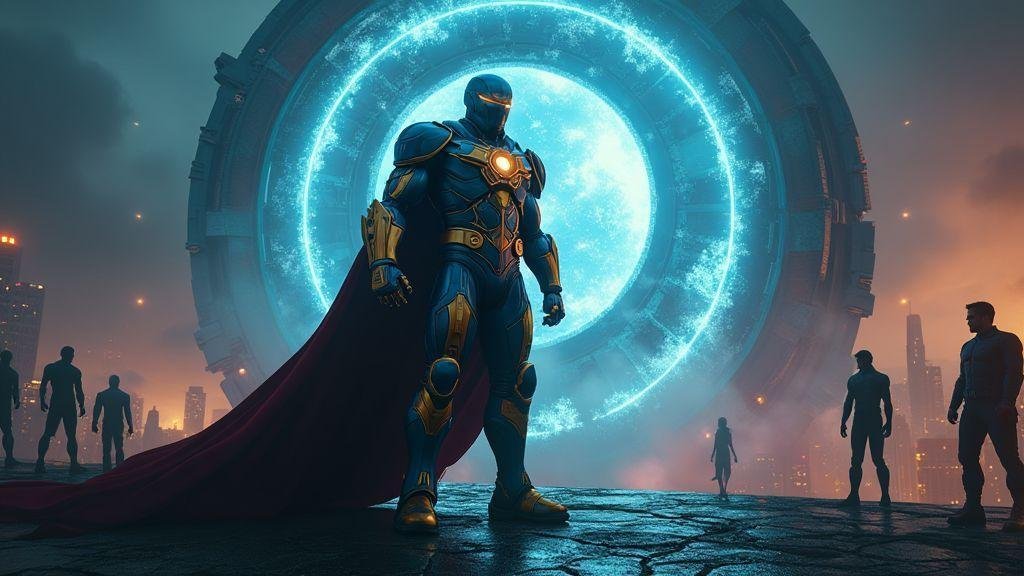
Why Kang is an Avengers threat and the idea of future conquest
Kang is scary because he treats time like a chessboard. You think in moves. He thinks in centuries. That gives him a huge edge: he can rewrite events, set traps that reveal themselves decades later, and hit you from places you never expected. Kang builds entire futures to win.
He fields whole armies and empires across timelines. You face not one Kang, but dozens of variants with different goals. For a primer on multiverse ideas that explain multiple variants, see the Explanation of multiverse concepts and implications.
Defeating one Kang doesn’t end the problem; he can send reinforcements from a thousand years ahead or pull a version of himself who already learned your moves.
Finally, Kang’s big aim is conquest of the future itself — repeatedly underscored across comics and films. Always remember: Kang The Conqueror’s Next Target Is The Future — which changes how you defend today.
“Kang doesn’t wait for tomorrow. He builds it.”
Comic examples like the Kang Dynasty showing Kang future conquest tactics
The “Kang Dynasty” arc shows his style: a full-scale invasion spanning years and layers of planning. He plants events and uses political pressure to make Earth easier to take. Heroes scramble while Kang’s steps fall into place like dominoes. For similar epic villains and their long-game tactics, see the list of iconic Marvel villains.
Other comics stack variants and timelines to show how his reach multiplies: future legions, advanced tech, betrayals timed to break morale. Kang wins by bending time, patience, and logistics, not only brute force.
What makes Kang a strategic Avengers threat: time control and armies
Kang’s real weapon is time control. He can jump to moments where you’re weak, undo events, or erase meetings so allies never form. That gives him tactical surprise and the ability to make victories vanish.
On top of that, Kang fields vast armies from different eras with future tech and veterans from worlds you haven’t seen. Facing them is like fighting ghosts with tomorrow’s weapons. You need strategies that protect timelines, not just bodies.
- Key assets Kang uses:
- Time manipulation for surprise and revision
- Variant armies with advanced tech
- Long-term planning that outlasts single battles
| Kang Strength | Why it matters to you |
|---|---|
| Time control | He can undo your wins and hit when you’re vulnerable |
| Multiple variants | Defeating one Kang often leaves many more |
| Future tech & armies | Your usual tactics may be obsolete against tomorrow’s weapons |
How you should think about Kang as a long-term Avengers threat
Think of Kang like a persistent storm on the horizon. You won’t stop it with one shield. You need layered defenses: protect timelines, build alliances across eras, and watch for repeating patterns. Treat every small win as a step in a longer campaign. If you prepare across time, you turn his patience into his weakness.
Kang The Conqueror’s Next Target Is The Future and his impact on Marvel future
Kang is a time king who treats history like a chessboard. When you hear the line “Kang The Conqueror’s Next Target Is The Future”, think of a villain who can change the board mid-game.
That ability makes him a threat not just to heroes in one story, but to the whole fabric of Marvel continuity. You’ll see ripple effects in characters, team lineups, and who exists next season.
Callout: Kang plays many roles: conqueror, king, mentor, and mirror. Watch for variants. Each one can rewrite a timeline and pull a favorite hero out of the story.
Kang’s moves force Marvel to write in big sweeps: bold new stories, surprise team-ups, and post-apocalyptic arcs. At the same time, past beats can get erased or reshuffled — expect wins and losses for characters you care about.
Kang impact on Marvel future in comics: timeline changes and lasting consequences
Kang’s comic runs are full of timeline flips. When he appears, events you thought fixed can change: new origins, altered deaths, whole eras rewritten. Those changes become long-term hooks that writers revisit for decades.
Marvel often lets consequences linger rather than reset everything, which gives deeper stakes and believable growth or fracture for characters.
| Major Kang Event | Lasting Consequence |
|---|---|
| First Kang arrival (Avengers era) | Introduced time-travel threats; tied Avengers to time policing |
| Young variants (Iron Lad, Young Avengers) | Created emotional stakes and legacy angles |
| Kang Dynasty (modern epic) | War-scale threat; teams reformed and political fallout |
| Immortus and council stories | Showed multiple Kangs and splintered outcomes |
These patterns show that Kang creates permanent change. You won’t always see simple reset buttons.
Marvel’s positioning of Kang as a major upcoming enemy and endgame villain talk
Marvel is building Kang like a mountain. Interviews, trailers, and multiple shows and films plant seeds.
The message: Kang isn’t a one-off boss. He’s a recurring, scaling threat. Studios and comics editors treat him as a candidate for an endgame-level antagonist — motive, scale, and time on his side. He can be the slow burn that rewrites heroes over years.
How you can track Kang The Conqueror’s Next Target Is The Future in comics and MCU
Follow Kang by watching key MCU entries and reading core comics that keep returning in Kang plots. Pay attention to variant names and slow-burn clues. Read annotations and follow official Marvel releases and panel teasers for hints about where timelines might bend.
- Watch the MCU threads: Loki series, Ant-Man and the Wasp: Quantumania, and multiverse tie-ins (see the Phase 5 timeline)
- Read core comics: start with The Avengers (early Kang issues), then Kang Dynasty, and Young Avengers arcs
- Follow Marvel announcements and reputable fan wikis for variant breakdowns
- Track recurring themes: time manipulation, variant politics, and legacy consequences
For context on how comics move into films and shape these adaptations, explore how comics become blockbusters.
Conclusion: Kang The Conqueror’s Next Target Is The Future
You now know that Kang isn’t a one‑off bruiser — he’s a time strategist who thinks in centuries. That flips the rules: victories can vanish if you don’t guard the timelines. Kang The Conqueror’s Next Target Is The Future — and that changes how you defend today.
Your playbook: watch Loki and Ant‑Man and the Wasp: Quantumania, track variants, spot repeating dates and cities, protect history, and build allies across eras. Use tech and knowledge of the past as much as muscle. Treat the timeline like a chessboard and think three moves ahead.
Think of Kang as a storm on the horizon. Prepare now, adapt fast, and turn his patience into his weakness. Want more deep dives and timeline tips? Read the analysis of Kang’s new plan and other expert breakdowns on the site.
Frequently Asked Questions
It means Kang will chase control of time. Expect major timeline changes and threats that span eras.
Heroes could face new versions of themselves, altered histories, and higher stakes as timelines get messy.
Not alone. It requires teams, cross-era alliances, tech, and smart, long-term planning.
Kang’s influence is already in Loki and in projects mapped on the Phase 5 timeline; expect more variants and multiverse tie-ins in upcoming MCU releases.
Start with Loki (Season 1 context is essential) and Ant‑Man and the Wasp: Quantumania, then keep an eye on MCU multiverse projects and Avengers entries.