New History About The Justice League
New History About The Justice League is your friendly map through DC reboot chaos. You get the big events like Crisis on Infinite Earths and Flashpoint, learn why Cyborg rose, and see how The New 52 and Rebirth reshaped the team.
You’ll spot origin tweaks for Wonder Woman and Aquaman, find Elseworlds and the Justice Lords, and use a clear timeline and short reading plan to follow the new canon.
Key Takeaway
- You learn new origin stories for the League.
- You see heroes acting in new ways.
- You meet new allies and villains.
- You feel more connected to their choices.
- You want more stories from this timeline.

How DC reboots changed your New History About The Justice League
DC’s big reboots do more than shuffle dates. They change how you see the Justice League and its members. After a reboot, origins shift, friendships break and form, and small moments you loved can vanish or be rewritten.
For a reader, that feels like someone swapping photos in your family album: you still recognize faces, but the story behind them is different.
Reboots affect tone and teams. One reboot might make the League darker and grittier; another will soften it and add classic hero beats. If you know which reboot you’re reading, you get why heroes act a certain way and why histories contradict one another.
Reading the New History About The Justice League is like tracing footprints in shifting sand — knowing the key events helps you pick the right starting point and enjoy the twists instead of getting lost.
Callout: If you jump into the New History About The Justice League, start by reading the Crisis and Flashpoint issues or summaries first. They give you the map you’ll need.
Crisis on Infinite Earths — the first big Justice League reboot you should know
Crisis on Infinite Earths collapsed the multiverse into a single universe, merging, erasing, or altering many prior stories. For the Justice League, this changed origins and team lineups; some Silver Age versions of heroes simply stopped existing.
After Crisis, the League adopted a more modern identity as writers reworked stories to fit the new single timeline.
Knowing Crisis explains why older plots can feel like two different stories stitched together; for background on the wider consequences, see how the event reshaped DC and the pieces on the event’s cosmic antagonist in the Anti-Monitor.
For an authoritative summary of the event and its effects, see Overview of Crisis on Infinite Earths.
Flashpoint and the retcon that led to The New 52
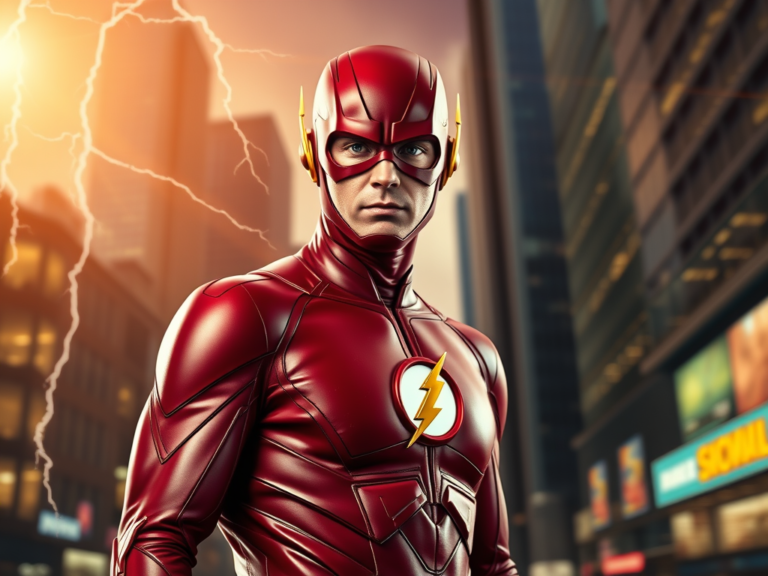
Flashpoint began as one hero’s mistake and became a cosmic reset. The Flash changed the past to save someone, which broke history and led directly to The New 52 reboot. Many characters received new looks, origins, and relationships — the League in The New 52 is often younger and darker.
If you read New 52 stories without understanding Flashpoint, some choices will seem random; reading about Barry Allen’s modern era and its tonal shifts in Flash’s revitalized era helps explain why the line moved the way it did.
For a concise overview of Flashpoint and how it led to a line-wide reboot, consult this Explainer on Flashpoint and reboot.
Timeline of major reboots to follow when you read the New History About The Justice League
Here’s a short guide to the big resets that matter most when you read the New History About The Justice League. Keep this list handy so you can match comics to the right era and avoid confusion.
| Year | Event | What it changed for the Justice League |
|---|---|---|
| 1985 | Crisis on Infinite Earths | Collapsed multiverse; reset origins and timelines |
| 1994 | Zero Hour | Fixed continuity glitches; tightened timelines |
| 2005 | Infinite Crisis | Brought back legacy elements and altered continuity |
| 2011 | Flashpoint → The New 52 | Full reboot: new origins, younger League, darker tone |
| 2016 | Rebirth | Restored legacy links and emotional history |
| 2021 | Infinite Frontier | Expanded multiverse again; more flexibility in stories |
Reboots are like editing a long movie — scenes move, faces stay, the story can feel new.
How revised origins changed the heroes you thought you knew
Rewriting a hero’s start can flip how you see them. When origins shift, you stop thinking of them as the same comic-book face. Cyborg, Wonder Woman, and Aquaman gain new motives, fears, and goals. Those changes make their choices feel fresh and give scenes new weight.
Origin tweaks also change team dynamics: a tech-built hero becomes a tactical hub, a mythic princess turns into a political actor, and a sea king becomes a symbol of exile and anger.
If you track continuity, the phrase New History About The Justice League signals that the past you remembered has been edited — small beats like who saved who or which trauma defines someone are now different, and those beats steer big story choices.
Why Cyborg rose in The New 52 and how that shaped Justice League revised origins for you
In The New 52, Cyborg moved from the fringes to the center. His tech upgrade and personal loss were written as core, not backstory, giving the team a character who blends human pain with machine logic.
That made the League feel more modern—grounded in tech and trauma rather than myth alone. Cyborg’s skills turned him into the League’s data hub and moral counterpoint, a connective tissue keeping chaotic personalities working together; for context on recent League threats and how teams adapt, see examples in modern team dynamics and enemies.
Note: Cyborg’s rise was about representation and narrative utility—he’s both a voice for loss and a functional bridge to modern threats.
How Wonder Woman and Aquaman origin tweaks affect your view of their roles
Small origin changes make Wonder Woman less an outsider curiosity and more a political actor; diplomacy becomes central to her role. Aquaman shifts from surfer-king nobility to angry exile or reluctant ruler, adding volatility and weight to his presence.
Both tweaks make their roles less archetypal and more complicated people — explore Wonder Woman’s changing mythic role in her evolution and her cultural training in Amazonian mythology, and see Aquaman’s alliances and shifting status in coverage of Aquaman’s allies.
| Hero | Classic Origin (short) | Revised Origin Effect |
|---|---|---|
| Cyborg | Tech accident teenager | Becomes team hub; trauma tech define leadership |
| Wonder Woman | Born of gods, ambassador | More political clout; diplomacy central to role |
| Aquaman | King of Atlantis, noble | Exile/anger angle; darker, sovereign duties highlighted |
Key origin retcons to note in the Justice League retconned backstory
Pay attention to three big retcons:
- Who saved who — shifts alliances.
- Sources of power — magic, tech, or politics can be swapped.
- Personal trauma placement — which event defines a hero’s arc.
Those tweaks change motivations and make old team fights read in new ways.
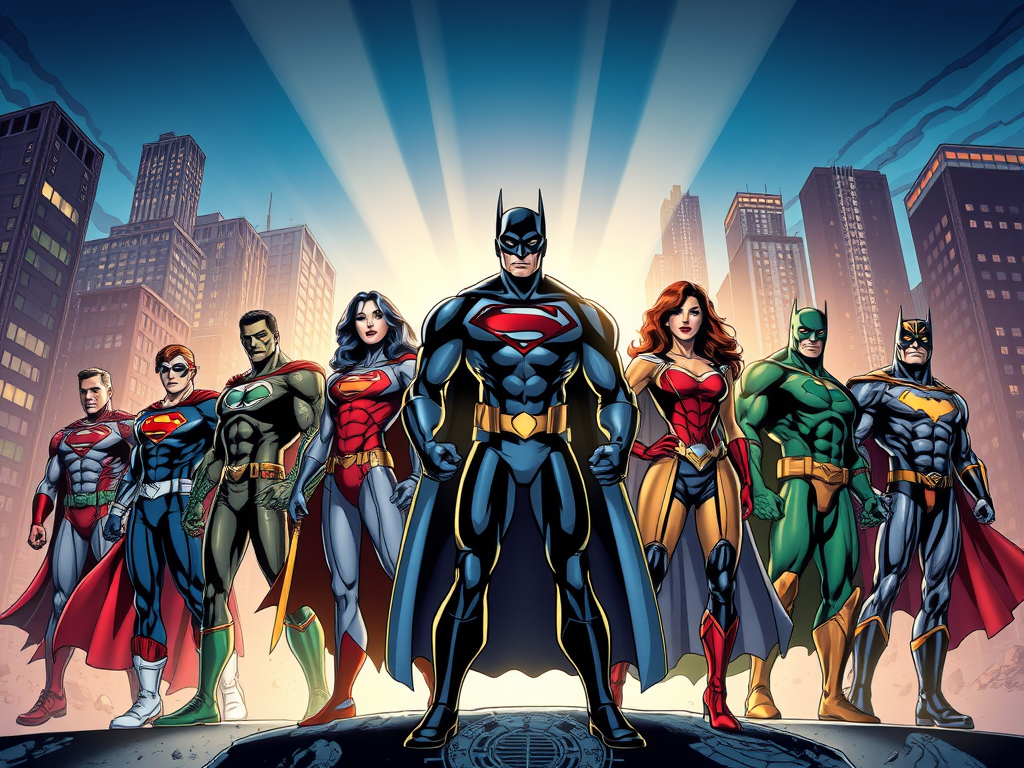
How the canonical chronology shifts when you follow the team
When you track the Justice League as a team instead of by single heroes, the canon bends and folds like a map in a windstorm.
Team books stitch origin beats, shared crises, and crossovers into one schedule, so a single event—say a world-ending battle—will reroute everyone’s timeline. Team books become living timelines: origin → team-up → big event → fallout.
Follow the team and you’ll see:
- Shared origin scenes moved to match the team debut.
- Crossover events that create new starting points.
- Member turnovers that shift how later stories reference past events.
This is why you’ll hear about a “New History About The Justice League” after big reboots: reboots re-anchor the team, reset who remembers what, and place the League at a new focal point in continuity. For you, a single event can create a new normal for the whole cast — trace the edits like a detective tracing fresh footprints.
Comics treat their past like clay: heroes can come out different shapes depending on who touches them.
Flashpoint, Crisis, and other events that caused a Justice League timeline retcon you can trace
Major events are the usual culprits when the League’s history changes. Crisis on Infinite Earths thinned the multiverse and erased or merged many pasts.
Flashpoint shoved the timeline so hard that the entire publishing line rebooted into The New 52, giving the League different origins and relationships. Each event rewrites memory beats, so a Justice League issue after a crisis can contradict a pre-crisis issue unless you know where the cut happened.
Smaller events and editorial resets like Zero Hour, Infinite Crisis, and Rebirth act as surgical edits: some character arcs stay, others get amputated. For deeper reading on how long-form crises alter the line’s trajectory see pieces like Final Crisis and multiversal shifts and the overview in the story that changed DC forever.
For the Flash’s timeline-altering role, the Flash Rebirth write-up is a useful primer.
Callout: When you pick up a League arc, check the event banner. That banner tells you whether you’re reading pre-reset, post-reset, or in the middle of a continuity edit.
How DC labels ages and eras to help your Justice League canonical chronology
DC uses eras like Golden Age, Silver Age, Modern Age, and New 52/Rebirth to give you anchors. These labels tell you what tone, continuity rules, and origin beats to expect. If a story says it’s from the Silver Age, assume classic team-ups and simpler continuity; if it’s Rebirth or Modern, expect layered continuity and references to previous reboots.
Treat era labels like signposts: they point to which version of the team’s past the story follows and which edits you should accept as canon for that run.
A simple timeline chart you can use for Justice League canonical chronology
Use this quick chart to place League runs and major retcons into useful slots so you can read in order.
| Era / Label | Approx. Years | Key Justice League Changes |
|---|---|---|
| Golden Age | 1940s–1950s | Early team concepts; multiple Earths origins |
| Silver Age | 1956–1970s | Classic League formation; clearer continuity |
| Modern Age | 1986–2011 | Post-Crisis single-continuity; darker themes |
| The New 52 | 2011–2016 | Full reboot; many origins rewritten |
| Rebirth & Beyond | 2016–present | Restored memories; blended continuity |
Use the table as a cheat sheet: match an issue’s publication date to the era, then follow event tags from there.
Where alternate timelines and Elseworlds fit into your reading
Treat alternate timelines and Elseworlds like detours on a map of the Justice League. They show familiar heroes in new outfits and moral codes. When someone mentions the New History About The Justice League, these tales often spark the conversation because they rearrange who did what and why.
Elseworlds are “what if” postcards from different streets in the same city: Superman might never land on Earth, or Batman could join the League. These stories let you test heroism without breaking the main line.
Mark them as experiments — pick them up, enjoy the twist, and put them back without losing your place. Some experiments later influence the mainstream.
The British Library offers a useful Reference guide to comics and history that helps place Elseworlds and alternate timelines in a broader historical context.
The Justice Lords and Elseworlds stories that test Justice League alternate-timeline theory for you
The Justice Lords arc is a lab for asking what happens when power goes unchecked: the League rules instead of protects. That flips expectations and makes you ask sharp questions about justice and authority.
Elseworlds pieces vary in scale but all test whether a hero’s core is durable. As you read, you’ll spot which elements survive change and which bend; that helps you judge whether a later timeline shift is a true reboot or just a thought experiment.
For takes on alternate-universe consequences and modern what if epics, see how recent multiversal events experiment with continuity.
- Quick picks: Justice Lords arc, Kingdom Come, Superman: Red Son, Justice League: Gods and Monsters.
Flashpoint as an example of an alternate timeline that changed what counts as canon
Flashpoint is the poster child for an alternate timeline that pushed into the main line. Barry Allen’s choice created a world where heroes were different and history had been rewritten, and that ripple glued itself to the main universe and led to The New 52.
When you read post-Flashpoint issues, you can trace which changes came from that event and which were fresh choices by later creators.
Spot the major changes Flashpoint caused: character origins, team lineups, and major deaths or absences.
How to spot an alternate timeline tale in Justice League continuity changes
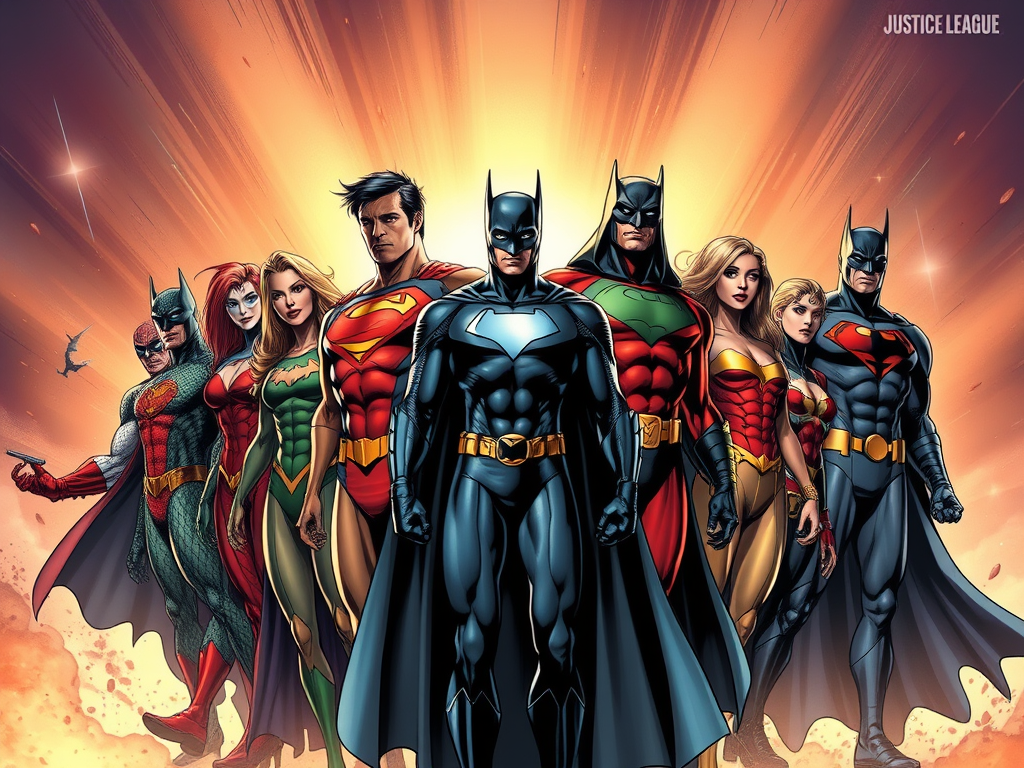
Watch for markers: different histories, altered deaths, or one major choice that didn’t happen before. If the League acts off-brand or cities and countries have different fates, you’re probably in an alternate timeline. Check issue notes, event titles, or reprints that tag something as Elseworlds or a timeline event.
“Alternate timelines are experiments. Treat them like films from the same director but on a different set.”
What the modern updates mean for how you read the team now
The New History About The Justice League reshapes how you pick up issues. Stories now focus more on who the team is, not just what they punch. Expect quieter scenes, more talk, and missions that test trust and values. Read slower — pay attention to small beats and dialogue instead of only splash pages.
Roles shift: background characters can suddenly matter, changing your reading order. Single issues, one-shots, and team drama can carry story weight equal to big event books. If you jump only to crossovers, you’ll miss why the team acts the way it does.
Before you read, scan: creative team, publication date, editorial notes, and whether an issue is labeled a reboot or tie-in.
Callout: If a run leans on character drama and you prefer action, alternate character-focused issues with a big fight issue to keep momentum without losing emotional stakes.
How the modern Justice League canon update changed team roles and story tone for you
The update pushes role-sharing. There’s less single-leader energy and more collaborative strategy. Batman, Superman, and Wonder Woman act as equals in planning, but with more friction and compromise.
Conflicts become personal, and victories are measured against public trust and legal fallout as much as raw power — see how leadership and influence evolve in pieces like Batman’s modern transformation.
Which classic arcs still fit the New History and stay worth your time
Many classic arcs still click with the new timeline because they center on character and consequence. Tower of Babel still works — it’s about trust and betrayal — and The New Frontier matches modern runs’ tone.
Crisis or Kingdom Come are useful for scope and inspiration but read Kingdom Come as alternate-timeline style.
Some older stories that rely on pre-reboot details might feel off without context. Read them for themes and standout moments rather than strict continuity.
| Classic Arc | Fits the New History? | Why it matters to you |
|---|---|---|
| Tower of Babel | Yes | Explores trust and internal betrayal — still central to team drama |
| The New Frontier | Yes | Focuses on heroism in changing times; tone matches modern runs |
| Crisis on Infinite Earths | Partly | Big history builder; read for scope, not detailed continuity |
| Kingdom Come | Partly | Moral questions and legacy fit, but it’s alternate-timeline style |
| Identity Crisis | Caution | Dark, personal beats that influenced later retcons — read selectively |
Tips to evaluate canon status in the New History About The Justice League
Start with three simple checks: who wrote it, when it was published, and whether the publisher labels it as part of the ongoing timeline or an alternate take. Then follow this ordered checklist:
- Check publication notes and editorial letters for explicit retcon or reboot mentions.
- Look up recent reading guides from official sources or long-standing fan pages.
- Match character changes across multiple recent issues — if multiple books reflect the same change, it’s canon.
For a useful primer on how editorial events create those labels, read an overview like the story that changed the DC universe.
For research-grade resources and collections on comics history, consult the Library of Congress Research guide to comics and graphic novels.
How you can read and study the New History About The Justice League step by step
Start by setting a goal: do you want the clean origin of the team, modern dynamics, or the major retcons? Pick one to avoid chasing every cameo. When you know what you want, you can pick the right events and issues that shape the Justice League story.
Next, follow the big editorial events that changed the books. The phrase New History About The Justice League points to those edits. Read the main event issues first — they act like checkpoints and show which pieces of continuity moved or vanished.
Finally, track characters one at a time. Use short character lists and issue notes to see how a single hero’s origin was rewritten across Crisis, Flashpoint, The New 52, and Rebirth. You’ll build a clear picture without getting lost in every crossover.
“Start with the landmarks — then fill in the roads between them.”
Start with the big events you can follow: Crisis, Flashpoint, The New 52, Rebirth for clear Justice League origin analysis
Large events are your roadmap. Crisis (1985) collapsed multiple Earths and reset origins. Flashpoint (2011) led to The New 52, which reimagined many heroes. Rebirth (2016) then put pieces back, restoring legacy and memory.
Read the core issues from each event to see what changed and what stayed. For Crisis-specific reading orders and tie-ins, refer to the curated Crisis reading order, and for the Flash’s influence on the line see Flash Rebirth.
| Event | What it changed for the Justice League |
|---|---|
| Crisis on Infinite Earths | Simplified multiple versions into one main timeline; classic Silver/Bronze age threads were cut |
| Flashpoint | Created a timeline fracture; led directly to The New 52 reboot |
| The New 52 | Rebooted origins and team formation; many characters had brand-new histories |
| Rebirth | Restored legacy elements and memories; merged classic and new threads for a hybrid origin |
Use character origin guides and simple lists to track Justice League revised origins and continuity
Pick one character and trace their origin across the events. For example, follow Superman through Crisis, The New 52, and Rebirth using a short guide like legacy notes on Superman, explore Wonder Woman’s changing background via her evolution, and check Green Lantern timelines in Hal Jordan-focused guides.
Note issue numbers, authors, and a one-line summary of the change. A three-item note per character is enough to spot patterns and when a writer tried something new versus when editorial reset forced a copy-paste origin.
- Tip: Keep a quick resource list with one-line reasons why each issue matters (origin, team formation, memory change). This acts like a callout checklist when you reread.
A short reading order to follow Justice League revised origins and retcons
Start with the major events, then read the team and solo origin issues the events point to:
- Crisis on Infinite Earths (core issues)
- Key Silver/Bronze-era Justice League origin issues (pick 1–3 classics)
- Flashpoint (core miniseries) — read Flash context like Flash Rebirth coverage for background
- The New 52 Justice League (first arc) and solo origin issues for core members
- Rebirth one-shots and Justice League issues that restore legacy elements
Conclusion: New History About The Justice League
You’ve got a map — not a single map but a stack of them. Each reboot redraws coastlines. Read it that way and you’ll stop yelling at continuity and start enjoying the changes. Key events — Crisis, Flashpoint, The New 52, Rebirth — are your landmarks. Learn them and the origins stop feeling like disappearing acts.
Rewrites don’t just swap dates. They reshuffle motives, pull new figures into the spotlight (hi, Cyborg), and turn familiar faces into unexpected politicians or exiles (Wonder Woman, Aquaman).
You’ll notice the team behaves differently: more role-sharing, more moral friction, more quiet scenes that matter as much as the big fights. Treat Elseworlds and alternate timelines like curiosity cabinets — fun experiments that sometimes leak into the main show.
Keep your reading practical. Start with the big events, then trace a single hero’s thread. Use era labels as signposts and check event banners. A short checklist — who wrote it, when it ran, is it labeled canon — saves you hours of head-scratching. Read slow. Let dialogue breathe. Let small beats sink in.
In short: expect change, track the landmarks, follow one character at a time, and enjoy the remix. You’re not losing the Justice League — you’re getting new ways to know them. Want more guides like this? Read more at Hero and Villain World.
Frequently asked questions
You get a new origin and timeline for the team. It rewrites some past events and feels fresh and bold.
Core heroes like Superman, Batman, Wonder Woman, Flash, Green Lantern, Aquaman, and Cyborg. Some faces may be new or swapped.
It can be. Sometimes it’s a full reboot; other times it’s an alternate timeline or “what if.” Check publisher notes to know for sure.
Look for new comics, graphic novels, and official streaming shows. Your local shop and the publisher site are good starts.
You get new backstories, new team bonds, and fresh motives. It can change who you root for and why.