Reader rating: 4.6/5Source: Amazon · checked on 10/17/2026
Fantastic Four: Full Circle (Expanded Edition) is an oversized, deluxe hardcover graphic novel published by Harry N. Abrams, measuring 10.85 by 1.3 by 13.95 inches and spanning 352 pages. This expanded edition builds on the original release by adding 288 pages of behind-the-scenes bonus material from creator Alex Ross.
ℹ️ Disclosure: This article contains affiliate links. If you make a purchase through one of them, we may earn a commission, at no extra cost to you. This does not affect our editorial opinions or the final price you pay. As an Amazon Associate I earn from qualifying purchases.
This analysis is based on the official synopsis and reader reviews; our team has not read this book. For anyone tracking the evolution of modern comic art, this publication offers a direct look into the creative process of a widely recognized illustrator.
Fantastic Four Full Circle Expanded Edition makes sense for readers who collect large format hardcovers and want an in depth look at the artistic process through sketches, proposals, and commentary from Alex Ross. It may not suit those looking primarily for strong writing, as one review notes the story is only good while the art receives higher praise. Worth checking whether the physical dimensions fit your bookshelf since the oversized hardcover measures nearly fourteen inches tall.

What Does the Expanded Edition Include?
The expanded edition features 288 additional pages of bonus content that take readers behind the scenes of the comic creation process. Alex Ross guides readers through his initial visual concepts, proposals, thumbnails, sketches, inks, and color guides.
In addition to the expanded commentary and preparatory material, this release reprints the classic Stan Lee and Jack Kirby comic that inspired the project, specifically Fantastic Four number 51. It also includes the 2023 run of Marvel variant covers featuring the team in custom costumes designed specifically for this project.
Who Is the Creator Behind the Artwork?
Alex Ross studied illustration at the American Academy of Art in Chicago and worked as a storyboard artist before entering the comic book industry. He gained widespread recognition for his painted work on the miniseries Marvels and later produced Kingdom Come for DC Comics. Over his career, he has worked on various titles including Uncle Sam, Justice, Astro City, and the Earth X trilogy, alongside regular cover illustrations for Marvel characters.
For readers exploring broader comic history, understanding how creators build out expansive teams can be helpful; you can read more about classic team dynamics in this guide on the Fantastic Four Epic Collection.
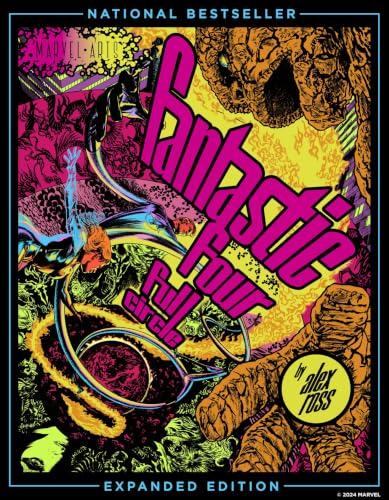
An oversized, expanded edition of Fantastic Four: Full Circle—the award-winning national bestseller, named Graphic Novel of the Year by the National Cartoonists Society and the Washington Post—with 288 pages of new material, including commentary and unpublished preparatory material from Alex Ross
How Do Readers Evaluate the Story and Art?
Reader feedback highlights a distinct split between the visual presentation and the narrative execution. Several readers point out that the pencil work and large-format presentation are exceptional, serving as a master class in character and environment design. At the same time, some reviewers note that the storytelling does not match the strength of the artwork, suggesting the writing is more of a vehicle for the visuals.
If you enjoy expansive narrative arcs by other creators, you might also find insights in this overview of the Fantastic Four by Jonathan Hickman Collection.

Suitable Readers for This Edition
This book is indicated for fans of Alex Ross, collectors of oversized art books, and readers interested in seeing the developmental stages of comic production. It is not necessarily the best option for readers who prioritize fast-paced writing over detailed artistic technique and visual design.
| Characteristic | Value |
|---|---|
| Format | Hardcover |
| Page Count | 352 pages |
| Publisher | Harry N. Abrams |
| Dimensions | 10.85 x 1.2 x 13.95 inches |
Ultimately, this publication functions primarily as a detailed art showcase. Prospective buyers should check the physical dimensions before purchasing to ensure it fits comfortably on standard bookshelf shelves.



Pros and Cons
- Includes 288 pages of bonus preparatory material and sketches
- Large oversized format highlights the detailed painted artwork
- Features the classic Stan Lee and Jack Kirby Fantastic Four issue 51
- Provides deep insight into the creator’s artistic process
- Some readers note the story is not as strong as the artwork
- Large physical dimensions may require extra shelf space
What Customers Are Saying
Source: Amazon · checked on 10/17/2026. Excerpts from a small sample of buyer reviews; they do not represent every reader.
For more background, Alex Ross artist overview is a good reference.
Frequently Asked Questions
What content is added in Fantastic Four: Full Circle (Expanded Edition)?
This expanded edition adds 288 pages of bonus material to the original release. It includes the creator’s proposal, early visual concepts, thumbnails, sketches, inks, color guides, commentary, and reprints of classic comics and variant covers.
Who wrote and illustrated Fantastic Four: Full Circle (Expanded Edition)?
The book is written and illustrated by Alex Ross, an acclaimed comic artist known for his painted artwork on projects like Marvels and Kingdom Come, as well as extensive cover work for Marvel Comics.
What classic comic is included in this book?
The volume includes a reprint of Fantastic Four number 51, the classic issue from Stan Lee and Jack Kirby that originally inspired the creation of the Full Circle graphic novel project.
What are the physical dimensions of the hardcover edition?
According to the publication details, the hardcover book measures 10.85 by 1.2 by 13.95 inches and has a total print length of 352 pages.
Is the book focused more on art or story?
Reader reviews indicate that the book is heavily centered on visual artistry and the creative process, with many noting that the detailed pencil work and bonus sketches stand out more than the narrative.


